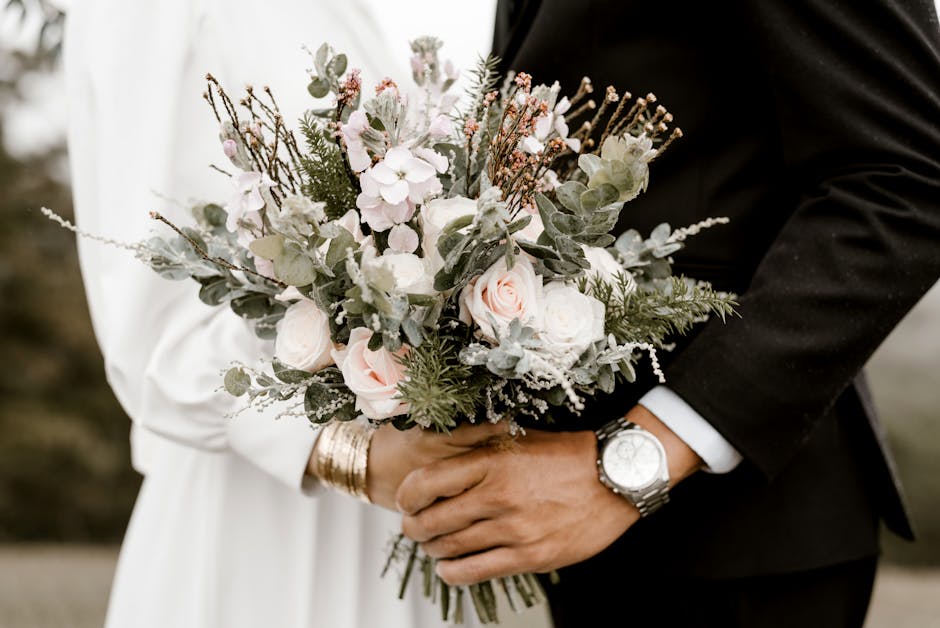
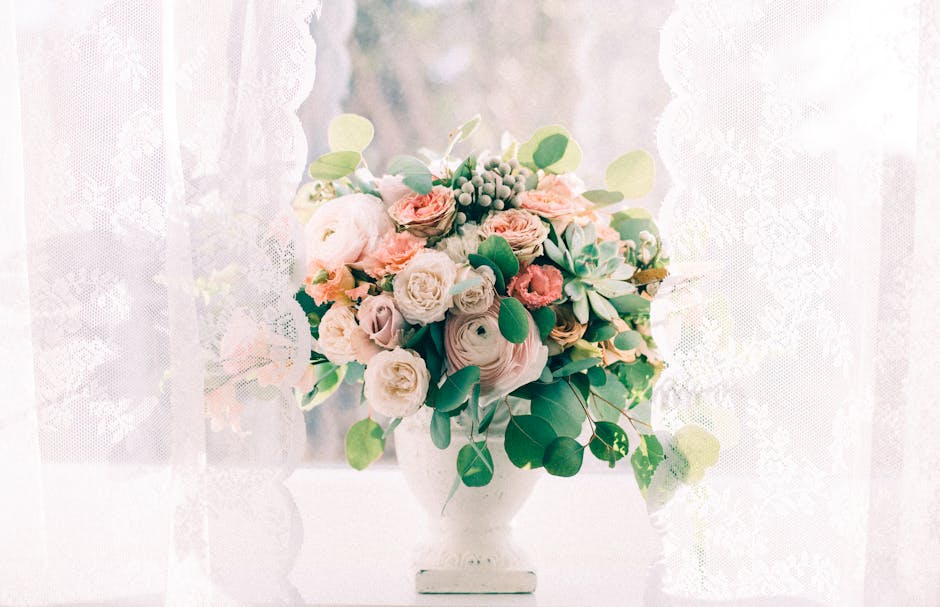
Wedding Flowers Pricing Guide: What A ?1,000 Budget Actually Buys
Wedding flowers can be one of the most beautiful parts of the day, and one of the easiest places for a budget to quietly disappear. If you are trying to work out what a ?1,000 flower budget actually gets you, you are not alone. The honest answer is: quite a lot, if you spend it well, but not every arrangement under the sun. This Wedding Flowers Pricing Guide: What A ?1,000 Budget Actually Buys will help you understand where the money goes, what to prioritise, and how to avoid paying for things that won't make much visual difference. That matters whether you want a polished London ceremony, a relaxed countryside feel, or something simple and elegant that still looks thoughtfully designed.
To be fair, wedding flowers are not just about stems and vases. You are paying for design, condition, sourcing, labour, transport, timing, and the quiet little bits that make everything look effortless on the day. And that "effortless" bit? It usually takes planning.
If you want your flowers to arrive in peak condition, it also helps to understand how delivery is handled, especially for a wedding timetable that leaves no room for last-minute stress.
Expert summary: A ?1,000 budget is enough for a well-curated wedding flower package for a small to medium wedding, especially if you focus on a few high-impact arrangements rather than trying to decorate every surface.
Table of Contents
- Why this pricing guide matters
- How a ?1,000 wedding flower budget works
- Key benefits and practical advantages
- Who this is for and when it makes sense
- Step-by-step guidance
- Expert tips for better results
- Common mistakes to avoid
- Tools, resources and recommendations
- Law, compliance, standards, or best practice
- Options, methods, or comparison table
- Case study or real-world example
- Practical checklist
- Conclusion
- Frequently asked questions
Why Wedding Flowers Pricing Guide: What A ?1,000 Budget Actually Buys Matters
Most couples start with a broad mood board: soft white roses, a few blush peonies, greenery, maybe a statement arch if the venue has space. Then the numbers arrive, and suddenly everything becomes real. A ?1,000 budget matters because it gives you a clear line between what is lovely in theory and what is actually possible in practice.
Flower pricing can feel slippery if you have never ordered wedding florals before. One bouquet can look deceptively simple and yet take careful hand-tying, conditioning, and design. A table arrangement may look small but can still need premium blooms to keep it balanced and full. This is why many couples feel caught out. They assume flowers are priced by "how much there is," when in reality you are often paying for craftsmanship and reliability as much as volume.
There is also the reality of wedding-day timing. Flowers have to be fresh, transportable, photograph well, and last through a long day of hugs, heat, and the odd slightly overenthusiastic bridesmaid. That is not a small ask. In our experience, people are happiest when they understand the budget before choosing the style, not after.
A ?1,000 spend matters because it gives you room to make smart choices. You can prioritise the bridal bouquet, ceremony focal points, and reception tables instead of trying to cover every inch. And let's face it, guests usually remember the bouquet in the aisle, the ceremony backdrop, and the top table far more than a dozen tiny extras.
How Wedding Flowers Pricing Guide: What A ?1,000 Budget Actually Buys Works
The simplest way to think about a ?1,000 wedding flower budget is to split it into three parts: design and labour, flowers themselves, and logistics. That split is not identical for every florist, but it is a useful mental model.
- Design and preparation: consultation, planning, ordering, conditioning, and arranging the flowers.
- Flower value: the actual stems, from budget-friendly filler flowers to premium seasonal blooms.
- Logistics: transport, set-up, venue access, breakdown, and sometimes collection of hire items.
Once you understand that structure, the budget starts to make more sense. A wedding bouquet does not cost what the stems cost in a wholesaler's bucket. It costs what it takes to make a bouquet appear balanced, hold up all day, and match the rest of the scheme without wobbling off into chaos.
With ?1,000, you can usually afford one of two approaches:
- High impact, lower quantity: fewer arrangements, but more refined and visually strong.
- Broader coverage, simpler styling: more pieces overall, but using seasonal blooms and less complex design work.
That choice is often where the smartest savings happen. For example, a single ceremony arrangement that can be reused behind the top table later does double duty without doubling the cost. Clever, really. A bit of flower budgeting is basically furniture rearrangement in petals.
It also helps to think about freshness and care after delivery. If flowers are going to be moved between spaces or held overnight in some cases, basic handling matters. You can see useful general guidance on flower care and keeping arrangements fresh, which is especially relevant when timing is tight.
Key Benefits and Practical Advantages
A ?1,000 budget is not "small" in wedding flower terms. It is more like "selective." That can actually be a strength.
- Clear priorities: you focus on the elements guests will see most.
- Better design quality: money goes further when it is not spread too thin.
- Less waste: fewer decorative extras that add cost but not much visual value.
- More flexibility: you can redirect funds into seasonal flowers or a more polished bouquet shape.
- Easier planning: fewer moving parts usually means fewer delivery headaches.
The biggest advantage is visual coherence. A wedding looks more luxurious when a few elements are done beautifully than when everything is half-covered. That sounds obvious, but people forget it when browsing inspiration photos at midnight.
You also gain the freedom to build around what matters most to you. If the bouquet is the star, spend there. If the ceremony backdrop is what will appear in all the photos, put the money there instead. It is your day, after all, not a floral checklist sent by the universe.
Who This Is For and When It Makes Sense
This guide is especially useful if you are:
- planning a small or medium-sized wedding
- working with a realistic floral budget and want to avoid overspending
- trying to decide between a few meaningful arrangements or lots of smaller ones
- booked at a venue where flowers need to do a lot of visual work
- looking for a polished look without choosing top-end luxury blooms everywhere
A ?1,000 budget often makes sense for couples who want the flowers to feel considered but not excessive. It suits registry office weddings, intimate hotel receptions, barn venues with simple styling, and more formal ceremonies where you want one or two standout focal points.
It can also be a good fit for couples who are using other decor elements, such as candles, draped fabric, or venue features, to carry some of the visual weight. In that case, flowers do not have to do everything. They just need to do their job well.
If your wedding has multiple locations across the day, you may also want to look at practical coordination like timed delivery options and whether someone will be on-site to receive the flowers. That sounds minor until the aisle is due in 20 minutes and the driver is circling the wrong entrance.
Step-by-Step Guidance
If you want to make ?1,000 work hard, treat the budget like a plan, not a pile of money. Here is the simplest way to approach it.
- Decide your must-haves. Start with the items that genuinely matter: bouquet, buttonholes, ceremony display, table flowers, or perhaps a flower crown.
- Choose your hero moment. Pick one area to stand out most. For many couples, that is the bridal bouquet or the ceremony backdrop.
- Match flowers to season. Seasonal stems usually give you more value and a fresher finish. They also tend to look less forced.
- Reduce duplication. Can the ceremony arrangement be repurposed for the reception? Can bridesmaids carry smaller versions of the bride's bouquet rather than separate complex designs?
- Keep vase and prop costs in view. Hire items, stands, urns, and vessels can eat into your budget if you are not careful.
- Ask about setup and collection. Labour matters. A florist who installs and collects items may cost more, but the service can be worth every penny on a busy wedding day.
- Confirm timing and care. Flowers should arrive close enough to the event to stay fresh, but with enough room for calm set-up. No one wants a sprint at 8 a.m.
One useful trick: write down what everyone will actually see in photos. That tends to cut through the noise. If a decorative detail will be hidden by chairs, the registrar's table, or guests' shoulders, it probably does not deserve a big slice of the budget.
Expert Tips for Better Results
Over the years, one thing becomes very clear: the best wedding flower budgets are not the biggest ones. They are the best edited ones.
Here are a few practical ways to get more from ?1,000:
- Use seasonal flowers wherever possible. They usually offer better value and look more natural in the setting.
- Choose one or two statement colours. Too many colours can make a bouquet feel busy and less cohesive.
- Keep greenery purposeful. It can add volume, but it should support the design rather than bulk it out awkwardly.
- Ask for flexible design. A good florist can often suggest alternatives that keep the mood but lower the cost.
- Reuse arrangements strategically. This is one of the easiest ways to stretch the budget without anyone noticing.
- Be realistic about premium blooms. Some flowers are beautiful but expensive and short-lived; use them where they matter most.
Another quiet tip: the first quote is not always the final one. If a proposal is over budget, ask what can be simplified without changing the overall feel. That is a normal conversation, not an awkward one. Honestly, florists expect it.
And a tiny human note from real wedding planning life: if you find yourself debating whether one extra stem of something rare is "worth it," step back. Most guests will remember the atmosphere, the scent, the softness of the colour palette. Not the stem count.
Common Mistakes to Avoid
Most budget problems with wedding flowers come from a few predictable mistakes. They are easy to make, especially when you are comparing inspiration photos at speed.
- Trying to copy a luxury image exactly. Pinterest pictures often show flowers at a scale that does not match the budget.
- Ignoring labour costs. A simple-looking arrangement can still take real time to design and install.
- Forgetting venue logistics. Narrow access, stairs, parking limits, and set-up windows all affect cost.
- Choosing too many focal points. If everything is a statement piece, nothing is.
- Leaving decisions too late. Seasonal availability narrows the later you leave it.
- Not asking about substitutions. If a flower is unavailable, you want a clear plan rather than a panicked scramble.
One of the biggest mistakes is treating flowers as an afterthought to the venue rather than part of the whole look. The venue, clothing, lighting, and flowers all have to work together. Otherwise the result can feel slightly off. Not bad, just a bit... unanchored.
If you are placing an order close to the event or coordinating multiple suppliers, it is sensible to understand the practical side of payment arrangements and what happens if plans change. Nobody enjoys reading terms on a Friday night, but it is better than guessing.
Tools, Resources and Recommendations
You do not need fancy tools to manage a wedding flower budget, but a few simple resources make decisions much easier.
- Budget spreadsheet: list each floral item, estimated price, and final quote side by side.
- Reference mood board: keep it focused on colour, shape, and feel rather than dozens of random bouquets.
- Venue floor plan: even a rough one helps you understand where flowers will be seen, moved, or doubled up.
- Photo notes: mark the spots likely to appear in ceremony and group shots.
- Care plan: someone should know who is receiving flowers and where they will be stored before use.
Useful service pages can also help with the less glamorous parts of planning. For example, delivery guarantees and service expectations can be reassuring when you are organising something with a fixed start time. If you care about the values behind the business too, a page like sustainability information can help you check how the flowers are sourced and handled.
And if you need to speak to someone about a special requirement, it is worth using the contact page early rather than waiting until the last minute. Simple, but effective.
Law, Compliance, Standards, or Best Practice
Wedding flowers are not heavily regulated in the same way as medical or financial services, but there are still sensible standards and business practices to look for. In the UK, a professional florist should be clear about pricing, timing, delivery, substitutions, and refund expectations. That kind of clarity matters more than flashy promises.
Best practice usually includes:
- clear written quotes with itemised costs where possible
- reasonable notice for changes or special requests
- transparent policies for cancellation, returns, and refunds
- honest guidance on seasonal availability
- careful handling and transport of fresh flowers
If you are checking service terms, a business's terms and conditions and returns and refund guidance are worth reading before booking. It is not the exciting bit, obviously. But it avoids nasty surprises later.
For customers who prefer accessible information, a clear accessibility statement is also a helpful sign that the business has thought about user experience properly. Small detail, yes, but important.
Options, Methods, or Comparison Table
Here is a practical way to think about what a ?1,000 budget can buy. The exact numbers will vary by season, location, design complexity, and florist, but the structure is a good starting point.
| Approach | What it usually prioritises | What it looks like | Best for |
|---|---|---|---|
| Hero bouquet + minimal extras | Bridal bouquet, a few buttonholes, maybe one ceremony focal piece | Elegant, focused, polished | Small weddings or couples who want standout personal flowers |
| Balanced ceremony and reception package | Bouquet, bridesmaids, ceremony display, table flowers | Coordinated and complete | Medium weddings with a modest guest list |
| Repurposed floral design | Ceremony arrangements reused at reception | High value, efficient styling | Couples wanting the most visual impact per pound |
| All-round light coverage | Smaller arrangements across several areas | Simple, neat, evenly dressed | Venues that already look good and only need gentle enhancement |
In practice, the best choice depends on the venue. A richly decorated room may need very little extra floristry. A blank space with pale walls and no natural texture may need one strong floral statement to stop it feeling flat. Same budget, very different job.
Case Study or Real-World Example
Here is a realistic example based on a common wedding brief. A couple is getting married in London in early autumn. They have a modest guest list, one ceremony location, and a reception space that already has warm lighting and plenty of character. They want romance, but not fuss.
With a ?1,000 budget, they prioritise:
- one medium bridal bouquet
- two smaller bridesmaid bouquets
- four buttonholes
- one ceremony arrangement that can be reused near the top table
- simple table florals for a handful of guest tables
Rather than ordering many separate designs, they choose a cohesive palette and seasonal flowers. The result feels full without being crowded. The bouquet photographs beautifully in the aisle, the ceremony arrangement frames the couple, and the reception uses the same flowers again so nothing is wasted.
What made this work was not clever spending for its own sake. It was restraint. They resisted adding lots of tiny extras, and that made room for better quality where it counted. Honestly, that is usually the trick.
Practical Checklist
Use this checklist before you confirm your wedding flower order:
- Have you decided which floral items matter most?
- Have you set a hard budget cap of ?1,000, or is that a guide?
- Do you know which flowers are in season around your wedding date?
- Have you asked which arrangements can be reused later in the day?
- Have you confirmed venue access, timing, and parking details?
- Do you understand what is included in setup and collection?
- Have you reviewed the florist's payment terms?
- Do you know what happens if a specific flower is unavailable?
- Will someone be available to receive the flowers on the day?
- Have you checked care instructions for keeping arrangements fresh?
One last practical note: if you are ordering other floral gifts or coordinating separate deliveries around the same time, it can help to review care guidance and the business's delivery details together so nothing gets missed in the handover.
Conclusion
A ?1,000 wedding flower budget can buy a lot more than people expect, provided it is used with intention. It will not cover every floral wish on the list, and that is fine. The real goal is not quantity for its own sake; it is creating a look that feels beautiful, balanced, and right for your day.
If you prioritise the right moments, choose seasonal flowers, and understand where the budget goes, you can get a result that feels generous without feeling overdone. That is usually where the magic is. Quietly smart choices, not dramatic ones. And when the day comes, the scent, the colour, the small details in the room-those are the bits people remember.
Get a free quote today and see how much you can save.
For helpful next steps, you may also want to review the business's about us page and service guarantees before you book. A bit of reassurance goes a long way when the wedding countdown is on.
Frequently Asked Questions
What does a ?1,000 wedding flower budget usually include?
It often covers a bridal bouquet, a couple of bridesmaid bouquets, buttonholes, and one or two ceremony or reception arrangements. Exact inclusions depend on the florist, the season, and whether installation is needed.
Is ?1,000 enough for wedding flowers in the UK?
Yes, for many smaller or mid-sized weddings it can be enough for a polished, focused floral package. It is usually best used on a few high-impact items rather than trying to decorate every table and entrance.
Why do wedding flowers cost so much compared with regular bouquets?
Wedding flowers involve planning, condition control, design time, transport, timing, and often setup on-site. You are paying for more than stems. You are paying for a service that has to work on a specific day, at a specific time, without much room for error.
How can I make a ?1,000 flower budget go further?
Choose seasonal flowers, reduce the number of separate arrangements, and reuse ceremony flowers at the reception where possible. Simple shapes and fewer colour variations can also keep costs in check.
What flowers look expensive but are relatively budget-friendly?
That changes with the season, but many couples find that carefully styled carnations, chrysanthemums, roses, and mixed greenery can look elegant when used well. Presentation matters a lot here. A lot.
Should I prioritise the bouquet or the venue flowers?
It depends on what matters most in your photos and guest experience. If you want a strong visual impact in the aisle, prioritise the bouquet and ceremony pieces. If the venue is quite plain, venue flowers may have a bigger effect overall.
Can I reuse ceremony flowers at the reception?
Often yes, and this is one of the smartest ways to stretch a budget. Ask your florist how the designs can be made movable without losing shape or freshness.
Do I need to pay for delivery and setup separately?
Sometimes yes, sometimes it is included. Always check the quote carefully so you know whether transport, installation, and collection are part of the price. The details matter more than they seem.
How far in advance should I book wedding flowers?
As early as you can, especially for peak wedding months. Early booking gives you better choice, more time to refine the design, and less pressure when final details need confirming.
What should I ask before confirming a florist quote?
Ask what is included, whether substitutions may be needed, how flowers will be delivered, what the payment terms are, and what happens if your plans change. It is also wise to check refund and returns information and the florist's terms before paying.
Are there any signs that a flower quote is too vague?
Yes. If the proposal does not say what arrangements are included, what style is expected, or how delivery and setup work, ask for clarification. Clear pricing is a sign of a well-run service, not a fussy one.
What if my wedding venue has difficult access?
If there are stairs, loading restrictions, or a tight time window, tell the florist early. Access can affect the plan, the cost, and the timing. It is much easier to sort that out before the wedding week than on the morning itself.
If you need any practical help with ordering, delivery timing, or service questions, you can use the contact page to ask before you commit. That little bit of clarity can save a lot of stress later on.