The real cost of bouquet delivery across the UK explained
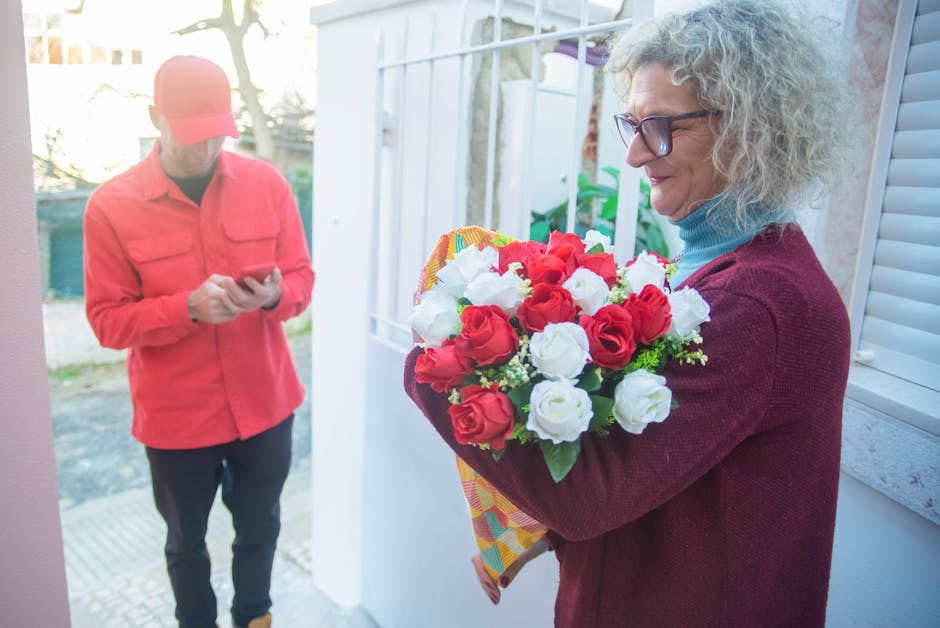
If you have ever clicked through a flower site and thought, "Why does one bouquet cost GBP30 and another suddenly jump to GBP55 by checkout?", you are not alone. The real cost of bouquet delivery across the UK explained properly is more than just the flowers in the basket. You are paying for freshness, packing, travel time, timing, distance, labour, and sometimes a bit of operational wiggle room for busy days. Truth be told, that final number can look simple on screen and still hide a few surprises underneath.
This guide breaks the price down in plain English. We will look at what drives delivery costs, where the money actually goes, how to compare bouquet options without getting caught out, and how to spot value rather than just a low headline price. If you are buying for a birthday, anniversary, sympathy occasion, or just because the kitchen table needs a lift, this will help you make a calmer, smarter choice.
Why bouquet delivery cost matters
At first glance, delivery might seem like a small add-on. But in practice it can change the total price quite a lot, especially across the UK where distance, road networks, timing, and local fulfilment all affect the final cost. A bouquet sent across town is a very different job from one dispatched to a village two counties away, and the price usually reflects that reality.
The reason this matters is simple: people often judge value by the headline bouquet price, then feel caught off guard at checkout. A GBP35 bouquet with a GBP12 delivery fee can end up feeling less appealing than a GBP42 bouquet with free local delivery, even if the flowers themselves are similar. That does not mean the first option is poor value. It just means you need to look at the total, not the sticker.
It matters for sending flowers to loved ones too. If you are buying for a birthday surprise, a hospital delivery, or a last-minute apology after forgetting an anniversary - happens to the best of us - timing and reliability can matter more than saving a fiver. In those moments, the cheapest option is not always the best one.
Practical takeaway: the real cost of bouquet delivery is the full checkout total, plus the value of timing, freshness, and reliability. Compare like for like, not bouquet price alone.
There is also a trust angle. Reputable florists tend to be clearer about what is included, while vague pricing often hides service limitations. That can mean smaller stems, restricted delivery windows, or extra fees for same-day service. A clearer price structure usually means fewer unpleasant surprises later on.
How bouquet delivery pricing works
Bouquet delivery pricing in the UK usually comes from a handful of moving parts. Some are obvious, others not so much. Once you see the structure, the numbers make more sense.
1. The bouquet itself
The flower choice sets the base cost. Seasonal stems tend to be more economical because they are easier to source and often travel better. Premium flowers, out-of-season blooms, or bouquets with a lot of handwork will cost more before delivery is even added. A bouquet full of roses, peonies, or imported stems may look luxurious because, well, it is.
2. Delivery distance and location
Local delivery within a florist's own area is usually cheaper than cross-region delivery. Rural addresses, harder-to-reach postcodes, and certain city-centre drops can also affect pricing. In busy places like London, traffic and parking can influence what the florist charges. Not dramatically every time, but enough to show up.
3. Delivery speed
Standard next-day delivery is typically more affordable than same-day or timed delivery. Same-day orders need tighter scheduling, quicker processing, and more operational flexibility. If your bouquet needs to arrive before lunch or by a specific hour, expect to pay more for the precision.
4. Packaging and presentation
Gift wrap, hydration wraps, branded boxes, ribbon, and message cards all add to the final cost. Some services include these as standard, while others charge separately. A more protective package can be worthwhile, especially in wet weather or during longer journeys.
5. Labour and local fulfilment
Someone has to condition the flowers, make the arrangement, print the card, prepare the order, and hand it over. If the bouquet is made to order, the labour is part of the price. A handcrafted bouquet usually costs more than a simple pre-packed option, but you often get better freshness and a more thoughtful finish.
6. Peak dates and demand spikes
Mother's Day, Valentine's Day, Christmas, and major local events can all push up costs. Delivery slots get tighter, florist teams get busier, and logistics become more expensive. On those dates, a lower-priced bouquet might still be available, but the delivery fee can be noticeably higher. A bit annoying, yes, but fairly normal.
That is the core structure. The important thing is that bouquet delivery is not one fixed national price. It is a mix of product, distance, timing, and service level. Once you understand that, the pricing starts to feel less mysterious.
Key benefits and practical advantages
It may sound odd to talk about the "benefits" of paying for delivery, but there are some genuine advantages when the service is well run. Not every pound spent on delivery is a hidden cost. Sometimes it is what makes the whole gift work.
- Freshness protection: good delivery systems reduce the time flowers spend sitting around and keep arrangements looking better on arrival.
- Convenience: you can send a thoughtful gift without visiting a shop, wrapping anything, or racing around on your lunch break.
- Better presentation: professional florists often package bouquets so they arrive intact, upright, and ready to display.
- Timing control: when the occasion matters, delivery gives you a reliable way to coordinate surprise moments.
- Wider choice: you are not limited to what one local shop has on the shelf that morning.
There is also a subtle benefit people forget: a well-delivered bouquet feels more intentional. It arrives looking cared for, not crumpled in the boot of your car after a dash through drizzle and roundabouts. That emotional difference is real, and customers notice it.
For businesses, especially those ordering for clients, staff, or events, dependable bouquet delivery also helps with professionalism. If you are sending flowers as a thank-you, apology, or recognition gift, the way they arrive matters almost as much as the flowers themselves. A smartly delivered bouquet quietly does the job before a single stem is sniffed.
Who this is for and when it makes sense
Bouquet delivery is not just for romantic gestures. In the UK, it is used for birthdays, sympathy flowers, hospital visits, thank-you gifts, housewarmings, "thinking of you" moments, and yes, those last-minute saves when the calendar has taken a nap and you have not. It makes sense whenever the emotional value is higher than the effort of doing it yourself.
This topic is especially useful for:
- people comparing florist delivery against supermarket or marketplace options
- buyers who need same-day or next-day arrival
- customers ordering to remote or hard-to-reach UK addresses
- corporate buyers sending regular gifts or client flowers
- shoppers trying to avoid hidden fees at checkout
If you are sending flowers occasionally, price clarity matters most. If you order regularly, consistency matters too. You want to know whether a service delivers on time, whether the bouquet matches the image, and whether the final bill is sensible from one order to the next.
Sometimes the cheapest-looking option is fine for a casual gesture. Other times, especially for delicate blooms or important occasions, paying a little more for better handling is the safer bet. You will notice that the better services are usually the ones that make the process feel easy, not tricky.
Step-by-step guidance
If you want to work out the real cost before ordering, use a simple decision process. Nothing fancy. Just a proper comparison, done calmly.
- Start with the occasion. Is this a birthday, sympathy arrangement, congratulations gift, or a routine thank-you? The occasion affects the level of presentation and timing you need.
- Choose the bouquet style. Seasonal hand-tied bouquets often provide good value. Specialist designs, luxury roses, and premium arrangements cost more.
- Check the delivery area. Local coverage may be included or cheap; longer-distance or non-standard postcodes may not be.
- Look at the delivery options. Standard, next-day, same-day, and timed delivery will usually sit at different price points.
- Review the checkout total. This is the real number that matters. Bouquet price, delivery fee, card, extras, and any service charge should all be visible.
- Read the delivery promise. Does the florist promise a full day, a morning window, or a guaranteed slot? Precision often costs extra.
- Check what happens if things go wrong. A fair returns or replacement policy can be more valuable than a small discount.
A useful habit is to compare two or three bouquets of a similar size, not wildly different styles. A GBP28 mixed seasonal bouquet and a GBP29 mixed seasonal bouquet are easy to compare. A GBP28 seasonal bunch versus a GBP65 premium rose arrangement is not really the same conversation. Apples and oranges, basically.
If you are buying under time pressure, keep the process boring and methodical. Check the delivery date, postcode, final total, and policy before clicking pay. A thirty-second pause can save a headache later. Ask me how many people skip that step - too many.
Expert tips for better results
In our experience, the best bouquet purchases are rarely the flashiest. They are the ones where the flowers suit the occasion, the delivery timing is realistic, and the buyer does not pay for extras they do not need. That sounds obvious, but people still get caught by it.
Choose seasonal flowers where possible
Seasonal stems usually offer better value because they are easier to source and often hold up better in transit. They can also look more natural and less forced. If you are flexible on colour or variety, you may get a fuller bouquet for less money.
Leave room in the schedule
Need flowers by a certain hour? If it is not essential, avoid a tight timed slot. A standard delivery window is often cheaper and gives the florist more room to manage routes efficiently.
Read the fine print on "free delivery"
Free delivery can be great, but it sometimes means the fee has been folded into the bouquet price. That is not necessarily bad. It just means you should compare the total basket value rather than assuming a free-delivery offer is automatically cheaper.
Pay attention to substitution policies
When a florist says they may substitute flowers if stock is limited, that is not a red flag by itself. It is standard practice in many cases. But you want to know whether the substitution will keep the bouquet in the same style, colour family, and value bracket.
Think about the destination conditions
A bouquet going to a flat in the city on a cool morning has different needs from one heading to a workplace reception desk or a rural cottage in winter. A little thought about timing and access can improve the chances of a good arrival. Damp doorstep, wrong buzzer, forgotten concierge name - these small things matter more than people expect.
One more thing: if the bouquet is for a sensitive occasion, choose a service with clear customer support. You might never need it, but if you do, you will be glad it exists. That tiny reassurance can be worth a lot.
Common mistakes to avoid
Here is where many buyers lose money without realising it. The flowers are fine, but the ordering decisions are sloppy. Let's fix that.
- Comparing only bouquet prices: always check the final total including delivery.
- Ignoring the delivery window: same-day or timed slots can materially increase cost.
- Forgetting postcode restrictions: some services charge more for certain UK areas or exclude them entirely.
- Skipping policy checks: if flowers arrive damaged, you need to know whether replacement or refund options exist.
- Over-ordering extras: chocolates, balloons, premium packaging, and add-ons can turn a modest order into a surprisingly expensive one.
- Choosing by image alone: some product photos are larger or fuller than the bouquet you will actually receive. Read the description closely.
A sneaky one: people often assume the cheapest arrangement is best for a basic gesture, then pay more later because it needs urgent same-day handling. If you know the date ahead of time, planning early can save more than hunting for a voucher code ever will.
Another common issue is unclear recipient availability. If the flowers need to be handed over in person, make sure the address and contact details are correct. A missed delivery can mean re-delivery fees, delays, or flowers sitting too long in a van. Not ideal. Not at all.
Tools, resources and recommendations
You do not need a pile of apps or complicated spreadsheets to buy bouquet delivery well, but a few practical habits help. Start with the florist's own product pages and delivery information. That is usually where you will find the clearest details on area coverage, dispatch times, and delivery methods. For example, a clear service page like delivery information can help you understand timing and fulfilment before you commit.
It is also worth checking service pages that explain how payment and post-purchase support work. A transparent payment page and a sensible returns and refund policy can tell you a lot about how seriously a florist treats the customer experience. The same goes for guarantees, if provided.
If you are trying to get better value over time, this kind of comparison mindset helps:
- compare full basket totals, not just bouquet prices
- note whether delivery is standard, same-day, or timed
- check if seasonal bouquets offer better stem counts
- look for clear support pages before ordering for important occasions
- use a saved shortlist of trusted florists rather than starting from scratch each time
For ongoing or business ordering, a page such as corporate accounts can be useful if you regularly send client or staff flowers. Corporate ordering usually needs predictable billing, reliable delivery, and fewer surprises - which, to be fair, is exactly what busy teams want.
If you care about the condition of the bouquet after delivery, take a look at flower care advice. Better care does not reduce the delivery cost, but it absolutely improves the value you get from the order.
Law, compliance, standards, and best practice
Flower delivery is not a heavily regulated category in the way food or medicine is, but good UK businesses still follow important legal and practical standards. The basics matter: accurate product descriptions, transparent pricing, fair customer service, and clear policies on substitutions, cancellations, refunds, and delivery limitations.
If a florist says a bouquet will be delivered on a particular day, the business should be clear about what that promise actually means. Is it a guaranteed slot, a day-time window, or a best-efforts service? Vague language is where customers get frustrated, so clarity is part of best practice even when the law does not spell out every detail.
For buyers, the most useful practical standard is simple: check that the final checkout total, delivery terms, and complaint route are easy to understand before you pay. If that information is buried or inconsistent, the purchase is riskier. You do not need legal training to spot a confusing checkout, thankfully.
There are also broader trust signals worth noticing. Pages such as about us, privacy policy, terms and conditions, and accessibility statement show that a business has thought about customer transparency, data handling, and user access. They do not tell you everything, but they help.
On the sustainability side, some customers now want bouquets that are packaged and sourced more carefully. A clear sustainability statement can be helpful if that matters to you. And if a florist discusses ethical sourcing or labour standards, as in a modern slavery statement, that can offer additional reassurance about wider business practices.
For a florist, best practice means being honest about what delivery can and cannot do. Flowers are beautiful, but they are also perishable. Good service is often about timing, handling, and communication more than grand promises.
Options, methods, and comparison table
Not all bouquet delivery methods are equal. The right choice depends on budget, urgency, and how fussy the occasion is. Here is a practical comparison to make the decision easier.
| Delivery option | Typical cost level | Best for | Trade-offs |
|---|---|---|---|
| Standard delivery | Lower to moderate | Planned gifts, flexible dates | Less precise timing |
| Next-day delivery | Moderate | Most common online orders | May not suit urgent occasions |
| Same-day delivery | Higher | Last-minute surprises, urgent sends | Limited cutoff times and higher fees |
| Timed delivery | Higher | Important events, work deliveries, hospital visits | Often carries the steepest premium |
| Local florist hand delivery | Variable | Fresh, nearby deliveries with personal service | Coverage may be limited by postcode |
The best value is not always the cheapest row. For some buyers, standard delivery is ideal. For others, same-day service is the whole point of the purchase. If the bouquet is tied to an important moment, the reliability premium can be absolutely worth it.
You may also want to compare broad price differences across regions. A helpful read on this topic is London vs Manchester flower prices, which shows how location can influence the total cost of a bouquet. And if urgency is the issue, average same-day flower delivery costs across the UK can help set expectations.
Case study or real-world example
Let's look at a realistic ordering scenario. Imagine you want to send a mixed bouquet to a family member in Birmingham for a birthday. You find three options online:
- a GBP28 bouquet with GBP8 standard delivery
- a GBP34 bouquet with "free delivery"
- a GBP30 bouquet with GBP12 same-day delivery
On paper, the second option looks more expensive than the first bouquet itself, but the final total is actually GBP34. The first ends up at GBP36. The same-day option rises to GBP42, and that is before any card or add-on. If you only compared the bouquet price, you would miss the real picture.
Now change one detail. The birthday is today, and the recipient leaves work at 5pm. Suddenly, the same-day bouquet may be the only one that actually works. That is the point: the cheapest delivery is not always the right delivery. Value depends on whether the flowers arrive in time, in good condition, and in the right mood for the occasion.
In a case like that, a florist with clear delivery rules, support information, and a sensible guarantee can be worth choosing even if the basket total is a little higher. The extra cost is not just for transport. It is for certainty. And certainty, in flower gifting, is no small thing.
If you want to understand how preparation affects delivery quality, the article on preparing flowers for long-distance delivery is a good companion read. It gives useful insight into why some bouquets travel better than others.
Practical checklist
Use this checklist before you place an order. It is quick, but it catches most of the avoidable problems.
- Have I checked the full checkout total, not just the bouquet price?
- Does the delivery fee match the urgency and distance?
- Is the delivery date realistic for the occasion?
- Do I understand whether the flowers are seasonal, premium, or substitution-based?
- Are there any postcode restrictions or delivery exclusions?
- Have I read the returns, refund, and guarantee information?
- Is there a clear customer support route if something goes wrong?
- Have I avoided unnecessary add-ons that push the order over budget?
- Does the florist explain packaging and presentation clearly?
- Have I double-checked the recipient's address and access details?
If you are sending flowers for a special date, do this one thing early: order with enough lead time to avoid paying for urgency. It sounds simple because it is simple. But that is often where people save the most.
Conclusion
The real cost of bouquet delivery across the UK explained properly comes down to one idea: the price is not just the flowers. It is the flowers, the handling, the route, the timing, the packaging, and the reassurance that the gift will arrive looking like a gift rather than a rescue mission.
Once you start comparing total basket cost instead of bouquet headline price, everything becomes clearer. You will spot where a service is good value, where a delivery premium is justified, and where the cheapest-looking option is actually a false economy. That is the real win here. Not just saving money, but spending it with a bit more confidence.
If you want to keep things simple, use the checklist, compare final totals, and choose the delivery speed that matches the occasion rather than the one that sounds cheapest in the moment. A thoughtful bouquet delivered well can make someone's day in a way a rushed bargain never really will.
Get a free quote today and see how much you can save.
And if all else fails, send the flowers. Most of the time, that still beats overthinking it.
Frequently Asked Questions
How much does bouquet delivery usually cost in the UK?
It varies by florist, bouquet type, distance, and delivery speed. Standard delivery is usually cheaper than same-day or timed options, while premium arrangements and difficult postcodes may raise the final cost.
Why is bouquet delivery sometimes so expensive?
The price can reflect labour, packaging, freshness handling, route planning, and urgent dispatch. On busy dates, demand can also increase fees because delivery slots are tighter and operations are under more pressure.
Is free delivery actually free?
Sometimes yes, sometimes effectively no. A florist may build the delivery cost into the bouquet price. That is not a problem on its own, but you should compare the total checkout cost rather than the banner message.
What is the cheapest way to send flowers across the UK?
Usually a seasonal bouquet with standard delivery and no extra add-ons is the cheapest route. Ordering early can also help you avoid same-day or timed delivery premiums.
Does same-day bouquet delivery cost more?
Yes, it often does. Same-day orders require faster processing and tighter logistics, so the service usually carries a higher fee than standard or next-day delivery.
Are weekend flower deliveries more expensive?
They can be. Weekend delivery often depends on florist staffing, courier availability, and local route planning. Some businesses charge a premium, while others limit availability altogether.
How can I tell if a bouquet is good value?
Compare the full total, the bouquet size, the stem quality, the delivery speed, and the support policy. Good value means the flowers arrive in good condition, on time, and at a price that makes sense for the occasion.
What should I check before paying for flower delivery?
Check the postcode coverage, delivery date, final cost, substitution policy, and returns or refund information. It is also wise to confirm the recipient's address details and whether a timed delivery is really necessary.
Can the delivery area affect the cost a lot?
Yes. Local delivery is usually simpler and cheaper than sending flowers long distance, especially if the florist uses in-house drivers or has to cover less accessible areas.
Do premium flowers always cost more to deliver?
Not always, but premium flowers often require more careful handling and may be sold in arrangements that already include extra labour and packaging. The bouquet itself is usually the bigger cost driver, with delivery adding on top.
What if the bouquet arrives damaged or late?
That depends on the florist's policies. A clear guarantee, refund policy, or replacement process matters here. Before ordering, check what the business says about damaged flowers, missed timings, and complaint handling.
Is local florist delivery better than ordering through a large platform?
Not automatically, but local florists often offer more personal service, fresher handling, and better knowledge of nearby delivery areas. Larger platforms may offer broader reach or more scheduling options. The right choice depends on what matters most to you.