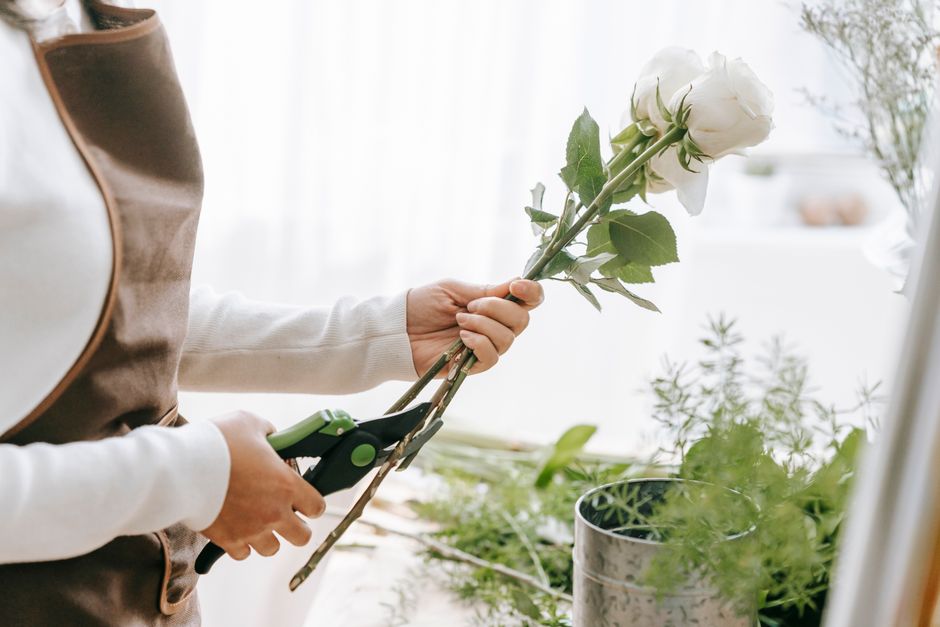
Professional Conditioning Techniques Florists Use After Harvest

Freshly cut flowers can look beautiful in the field and still underperform once they reach the bucket. That gap is exactly where Professional Conditioning Techniques Florists Use After Harvest matter most. The right post-harvest routine helps stems drink properly, slows wilting, reduces bruising, and keeps blooms looking clean and saleable for longer. In simple terms: harvest is the start of the job, not the finish.
If you have ever brought in roses that looked fine at first and then drooped by tea-time, you already know the frustration. A florist's conditioning process is what turns "freshly cut" into "ready to design, deliver, or display". It is part science, part timing, and part everyday discipline. And to be fair, it is one of those things that looks easy until you skip a step and the whole batch shows it.
This guide breaks down what conditioning actually means, why it matters, how professionals do it, and which mistakes quietly ruin vase life. You will also find a practical checklist, a comparison table, and a realistic example from the kind of day many florists know too well: a mixed delivery arriving warm, slightly thirsty, and needing attention fast.
- Why conditioning matters after harvest
- How the process works
- Key benefits and practical advantages
- Who needs this and when it makes sense
- Step-by-step guidance
- Expert tips for better results
- Common mistakes to avoid
- Tools, resources and recommendations
- Law, compliance, standards, or best practice
- Options, methods, or comparison table
- Case study or real-world example
- Practical checklist
- Frequently asked questions
Why Professional Conditioning Techniques Florists Use After Harvest Matters
Conditioning is the bridge between cutting a stem and using it confidently in a bouquet, event design, retail display, or flower delivery order. Once a stem is cut, it loses its natural water supply, so the clock starts immediately. The flower still breathes, still loses moisture through the petals and leaves, and still reacts to heat, bacteria, and handling. That means every minute after harvest matters more than most people realise.
The main aim is to help the flower rehydrate and recover from cutting stress. A stem that is properly conditioned will usually open more evenly, hold its shape better, and last longer in the vase. A poorly conditioned stem may look acceptable for a day, then collapse early, bruise during design work, or fail to perform in transit. Nobody wants that. Not the grower, not the florist, not the customer.
It also matters commercially. Better conditioning means less waste, fewer complaints, stronger consistency between batches, and more confidence when you are working to a delivery window. If you are selling flowers for everyday gifting, weddings, events, or corporate work, a strong post-harvest routine is part of the business model, not a nice extra. You can see the same attention to detail reflected in pages such as the site's guarantees and flower care guidance, which both support the customer side of the journey.
Expert summary: Good conditioning is about protecting the flower before the customer ever sees it. Water uptake, hygiene, temperature, and stem handling all work together. If one part slips, the whole result can suffer.
How Professional Conditioning Techniques Florists Use After Harvest Works
At a professional level, conditioning is a sequence of small decisions. First the flower is evaluated. Then the stems are recut, cleaned, hydrated, and held under the right conditions for the variety. Some blooms respond best to a deep drink in clean water; others need more careful staging, cooling, or short resting periods before design work. There is no single magic trick. The good stuff is in the routine.
The main biological goal is simple: restore water balance. A freshly cut stem can pull in air through the cut end, which blocks water movement. Leaves below the waterline encourage bacteria. Warm rooms speed up moisture loss. Conditioning is designed to reverse as much of that stress as possible, as quickly and gently as possible.
Florists also think about flower maturity. A bloom harvested a little tighter may need more time to open. A bloom cut too late may be fragile and short-lived. That is why professionals often sort by variety and stage, instead of dumping everything together and hoping for the best. Truth be told, flowers are a bit like people after a long journey: some need water, some need a rest, and some want the cold room immediately.
Temperature control is a big part of the process. Cooler holding slows respiration and can help preserve quality, but too much cold, or sudden temperature changes, can create other problems. Humidity, cleanliness, and air movement also matter. It is not glamorous work. It is more like careful kitchen prep than art class, but the results show up in the vase.
Key Benefits and Practical Advantages
Professional conditioning pays off in ways that are easy to see and easy to measure on the shop floor.
- Longer vase life: Properly treated stems usually perform better once they reach water.
- Better bloom opening: Flowers open more evenly and look more polished in arrangements.
- Less mechanical damage: Careful handling reduces bent necks, bruising, and stem splits.
- Cleaner presentation: Removing damaged leaves and debris keeps the flowers looking premium.
- Lower waste: More stems make it to saleable condition, which helps margins.
- Fewer complaints: Customers notice when bouquets arrive fresh and hold well.
- More design flexibility: A well-conditioned stem is easier to shape, group, and place in floral work.
There is also a calmer, less obvious benefit: confidence. When your conditioning process is solid, you stop guessing. You can plan a busy Friday morning, a same-day event install, or a corporate order with a little more ease. That matters, especially when the clock is ticking and the van is outside.
For businesses that handle recurring orders, the operational side matters too. Reliable handling supports smoother delivery planning, cleaner customer expectations, and fewer last-minute replacements. If you work with larger accounts, the same discipline aligns well with services like corporate accounts and with the practical delivery detail on the site's delivery information.
Who This Is For and When It Makes Sense
Professional conditioning is not only for big wholesalers with refrigerated storage. It is useful for a wide range of people who handle cut flowers after harvest.
- Retail florists who need display-ready flowers with consistent quality.
- Event florists managing large volumes and mixed varieties under time pressure.
- Growers and small-scale suppliers who want to improve marketable quality.
- Delivery teams that need flowers to survive transport and arrive presentable.
- Home growers and hobbyists who want better results from garden cuts.
It makes the most sense when flowers are being moved, stored, or designed rather than used immediately at the cutting point. If stems will sit for more than a short time, or if they are travelling in warm weather, conditioning becomes even more important. That is especially true for delicate blooms, mixed bunches, and stems with thick foliage that can dehydrate quickly.
Sometimes the need is obvious. A tray of tulips on a warm July afternoon? Yes, you will absolutely want a proper routine. Other times it is less obvious, like when a batch looks decent but has picked up hidden stress from the field, a long vehicle journey, or a cramped holding bucket. That is where experience earns its keep.
Step-by-Step Guidance
Below is a practical professional approach to post-harvest conditioning. Exact timings vary by flower type, but the principles stay the same.
- Inspect the stems as soon as possible. Remove damaged flowers, bent stems, bruised petals, and any foliage that looks compromised. Quick sorting saves time later.
- Use clean tools and clean buckets. A sharp knife or secateurs makes a better cut than a blunt one. Dirty buckets invite bacteria, and bacteria are not your friend here. Not even a little.
- Recut stems at an angle. A fresh cut improves water uptake. Make the cut cleanly, and do it under good light if you can.
- Remove leaves below the waterline. This is one of those tiny jobs that pays off every single time. Leaves in water break down quickly and encourage microbial growth.
- Place stems into fresh, appropriately cool water. Use water that suits the flower type and the purpose. Some varieties prefer deep hydration; others need shorter conditioning periods before arranging.
- Let flowers rest in a stable environment. Keep them away from direct sun, heaters, draughts, and fruit. Yes, fruit. Ethylene sensitivity is a real thing for some flowers.
- Monitor recovery. Check stem firmness, petal condition, and water uptake before moving flowers into design or storage.
- Store and transport with care. Once conditioned, flowers should be handled gently so the work is not undone by rough movement or overcrowding.
For many florists, that process happens in stages through the day. A morning harvest may be stripped and hydrated before lunch, then sorted again before design work starts. It sounds methodical because it is methodical. That is kind of the whole point.
Useful sub-note on recutting
Some stems benefit from recutting under water or immediately before hydration, while others simply need a fresh diagonal cut. The best choice depends on variety, stem structure, and how long the flower has been out of water. If in doubt, keep the cut clean, swift, and consistent rather than fussing too long.
Expert Tips for Better Results
Small habits make a surprising difference. These are the kinds of details professionals lean on when they want a batch to perform properly, not just survive.
- Keep hydration tools boringly clean. If a bucket smells off, it is already too late.
- Work by variety. Roses, tulips, lilies, and soft-stemmed flowers do not all want the same treatment.
- Use staging areas wisely. A cool prep space near the design table saves time and helps control quality.
- Condition in manageable lots. A smaller, well-handled batch often outperforms a huge rushed one.
- Watch the foliage. Dense leaf mass steals water and adds heat load.
- Be realistic about stem quality. Conditioning improves good material; it cannot fully rescue poor harvest timing.
- Log what works. A simple written note about each variety's response can help a lot over time.
One practical tip from real shop life: if you are unsure whether to design immediately or let a batch rest, give it a little more time if your schedule allows. A stem that has had a proper drink often behaves better under wire, tape, and arrangement pressure. Rushing is sometimes necessary. Ideal? Not really.
Another point that gets overlooked is transport readiness. Flowers meant for delivery should be conditioned with the journey in mind. A bouquet that looks great on the bench but collapses in the van has not really been finished. This is where decent packaging, stable temperature control, and clear delivery planning all come together.
Common Mistakes to Avoid
Most post-harvest problems come from a few repeat errors. The good news is that they are fixable.
- Using dirty water or unwashed buckets: This shortens vase life fast and can affect the whole batch.
- Leaving foliage below the waterline: It encourages bacterial growth and cloudy water.
- Making a rough cut: A crushed stem end can block water uptake.
- Overcrowding buckets: Flowers need space to hydrate properly.
- Storing in hot or fluctuating temperatures: Heat increases water loss, and rapid changes stress the stems.
- Ignoring variety differences: One-size-fits-all handling is convenient, but flowers tend not to care about convenience.
- Conditioning too late: Once dehydration has gone too far, recovery is limited.
There is also the human mistake of assuming a flower that looks perky is already conditioned. It might not be. Some blooms hide stress until they are moved, stripped, or placed under warmer indoor light. That is why a quick visual check is never enough on its own.
Tools, Resources and Recommendations
You do not need a huge setup to improve conditioning, but the right basic tools make the job much easier.
| Tool or resource | What it helps with | Practical note |
|---|---|---|
| Sharp secateurs or florist knife | Clean recuts and reduced stem damage | Keep blades clean and replace dull tools promptly |
| Clean buckets | Hydration and short-term holding | Wash thoroughly between batches |
| Cool storage area | Slowing dehydration and preserving freshness | Keep temperatures stable rather than constantly changing |
| Hydration and holding supplies | Supporting water uptake after harvest | Follow product guidance carefully and avoid guesswork |
| Flower care instructions | Customer-facing aftercare guidance | Useful for retail, gifting, and delivery orders |
If you sell flowers to end customers, useful aftercare information matters nearly as much as the conditioning itself. The site's flower care page is a good example of how handling and aftercare can connect cleanly. For customer confidence, it also helps to be transparent about service expectations through returns and refund information and guarantee details.
For customers who care about how flowers are sourced and handled, sustainability can also be part of the conversation. The site's sustainability information is relevant here, because conditioning and careful handling are both part of reducing waste. Less waste is better for business and better for the planet. Simple, really.
Law, Compliance, Standards, or Best Practice
For florists in the UK, the conditioning process is less about a single law and more about sensible professional practice. That said, there are important expectations around hygiene, safe handling, honest product description, and customer care. If flowers are prepared for sale, the business should be able to show reasonable attention to quality and cleanliness.
In practical terms, that means maintaining clean equipment, storing products appropriately, using honest condition grading, and not promising more than the flowers can realistically deliver. If a batch has a shorter vase life because of variety or weather stress, it is better to manage expectations than to overstate quality. That approach protects trust.
There is also a general duty of care around safe working practices. Florists regularly handle sharp tools, water on floors, and heavy buckets, so slips and cuts are part of the real world. Careful conditioning reduces risk indirectly too, because organised prep areas are simply safer to work in.
If you run a customer-facing business, it is worth keeping policy pages easy to find. On the Flowers Delivery site, documents like privacy policy, terms and conditions, payment information, and about us support trust and clarity around the wider service. Not glamorous, but important.
Options, Methods, or Comparison Table
Different flowers call for different conditioning approaches. The table below gives a simple comparison of common professional methods.
| Method | Best for | Strengths | Limitations |
|---|---|---|---|
| Deep hydration in clean water | Many standard cut flowers | Fast rehydration, simple process | Not ideal for every delicate variety |
| Cool resting before design | Flowers that need recovery time | Helps settle stress after harvest | Takes longer and needs space |
| Variety-specific handling | Mixed orders and premium work | Better quality control and vase life | Requires more knowledge and sorting |
| Short-term holding for delivery | Retail and event dispatch | Convenient for timing and logistics | Needs discipline to avoid overheating |
The best method depends on the flower, the weather, the journey ahead, and how soon the stems need to be used. There is no shame in keeping it simple when simple is the right move. In fact, that is often the professional choice.
Case Study or Real-World Example
Picture a small florist on a busy Thursday afternoon. A mixed batch arrives from the grower: roses, alstroemeria, and a few softer seasonal stems. The van has been in traffic longer than expected, and the room is warmer than ideal because the front door has been opening all day. The team does not panic. They start with sorting.
First, the tired-looking stems are separated from the stronger ones. Leaves below the waterline are removed, and every bucket is washed before use. The roses are recut and placed into fresh water first because they are the most sensitive to dehydration in this batch. The seasonal stems get a cooler holding space near the prep area. The team checks them again later, not just once, because flowers sometimes tell you what they need after they have had ten minutes to settle. Sneaky little things.
By early evening, the better-conditioned stems are ready for design work and the rest are holding steadily for the next morning. The result is not dramatic. It is just clean, calm, and reliable. That is what good post-harvest conditioning often looks like in real life: fewer emergencies, fewer wasted stems, and a much nicer finish in the hand tied bouquet.
Practical Checklist
Use this checklist as a quick pre-design or pre-dispatch routine.
- Buckets are washed and filled with fresh water
- Tools are clean and sharp
- Damaged stems are removed or separated
- Leaves below the waterline are stripped away
- Stems are recut cleanly
- Flowers are sorted by variety or hydration need
- Holding area is cool, shaded, and free from direct heat
- Water level is checked after the first hydration period
- Flowers are not packed too tightly
- Delivery timing or display timing matches the conditioning stage
- Customer care guidance is ready if the flowers are going out the door
If you can tick most of these off consistently, you are already ahead of a lot of the field. Small improvements add up. They really do.
Conclusion
Professional conditioning is one of those behind-the-scenes flower skills that quietly separates average results from excellent ones. It protects freshness, improves presentation, reduces waste, and gives florists more control over timing and quality. The work is not flashy. It is practical, steady, and built on good habits.
The main lesson is simple: after harvest, flowers need a proper transition before they can perform at their best. Clean tools, correct cutting, careful hydration, sensible storage, and variety-aware handling make that transition possible. Once you get that rhythm right, everything else becomes easier. Designing is easier. Delivering is easier. Serving customers is easier.
And honestly, that is what professional floristry is often about: doing the small things well enough that the flowers can do the rest.
Get a free quote today and see how much you can save.
If you want a smoother flower journey from harvest to handover, keep refining the process, keep notes on what works, and treat every batch with a little more care than the last. The flowers will show you when it pays off.
Frequently Asked Questions
What are professional conditioning techniques in floristry?
They are the post-harvest steps florists use to help cut flowers recover after cutting. That usually includes sorting, recutting stems, removing foliage, hydrating properly, and storing flowers in the right environment.
Why do flowers need conditioning after harvest?
Once a stem is cut, it can no longer draw water from the plant. Conditioning helps restore hydration, reduce stress, and improve vase life before the flowers are sold, arranged, or delivered.
How soon after harvest should flowers be conditioned?
As soon as practical. The sooner flowers are cooled, recut, and placed into clean water, the better their chances of staying fresh and steady.
Do all flower varieties need the same conditioning process?
No. Some flowers need deeper hydration, some need cooler holding, and some are more sensitive to handling than others. Variety-specific care is one of the marks of a professional florist.
Should leaves be removed before placing flowers in water?
Yes, any leaves below the waterline should usually be removed. They break down in water and can encourage bacteria, which shortens flower life.
Is cold water always best for conditioning flowers?
Not always. Water temperature depends on the flower type and the goal of the conditioning stage. The key is to choose a sensible temperature and keep conditions stable.
How long do conditioned flowers last?
That depends on the variety, the harvest stage, handling quality, and the final environment. Conditioning improves the odds, but it does not override the natural life of the bloom.
What is the biggest mistake florists make after harvest?
One of the biggest is poor hygiene. Dirty buckets, stale water, and rough handling can undo otherwise good work very quickly.
Can home gardeners use the same techniques?
Yes, many of them. Clean tools, fresh cuts, leaf removal, and prompt hydration help garden flowers perform much better in a vase.
How does conditioning help with flower delivery?
Conditioned flowers are more likely to survive transport, hold their shape, and arrive looking fresh. That is especially useful for same-day or time-sensitive orders.
Do florists use preservatives during conditioning?
Some do, depending on the flower and the business routine. The important part is to follow the product guidance carefully and not assume one treatment fits every stem.
Where can customers find care and service information?
Helpful details are usually shared through pages such as flower care, delivery information, guarantees, and policy pages like returns and refund information. Clear information helps people know what to expect and how to look after the flowers once they arrive.