Essential care for Christmas flowers through winter 2026
Christmas flowers can look spectacular on the day they arrive, then suddenly become a bit fussy by Boxing Day. Warm rooms, central heating, dry air, cold windowsills, and the general chaos of winter all work against them. That is why Essential care for Christmas flowers through winter 2026 matters so much: the right routine can keep festive blooms fresher, brighter, and far more presentable for longer.
Whether you are looking after a hand-tied bouquet, a table arrangement, or a gift delivered for the season, the basics are surprisingly simple. But the details matter. A few small habits - trimming stems properly, keeping flowers away from heat, changing water before it gets murky - make a real difference. And if you have ever watched a beautiful bunch slump near a radiator, well, you are not alone.
This guide walks you through what winter flower care actually involves, why it works, what to avoid, and how to make the most of festive blooms through the cold months. You will also find a practical checklist, a comparison table, and answers to the questions people really ask after the decorations come down.
Expert summary: The best winter flower care is steady, not complicated. Keep arrangements cool, clean, hydrated, and out of direct heat, then adjust slightly for the room and flower type. Small changes beat dramatic rescue attempts.
- Simple winter routines often extend vase life more than people expect.
- Placement matters just as much as water quality.
- Different festive flowers need slightly different treatment.
- Consistency is the secret: check, top up, trim, repeat.
Table of Contents
- Why Essential care for Christmas flowers through winter 2026 Matters
- How Essential care for Christmas flowers through winter 2026 Works
- Key Benefits and Practical Advantages
- Who This Is For and When It Makes Sense
- Step-by-Step Guidance
- Expert Tips for Better Results
- Common Mistakes to Avoid
- Tools, Resources and Recommendations
- Law, Compliance, Standards, or Best Practice
- Options, Methods, or Comparison Table
- Case Study or Real-World Example
- Practical Checklist
- Conclusion
- Frequently Asked Questions
Why Essential care for Christmas flowers through winter 2026 Matters
Winter is not kind to flowers. Indoors, the air is often much drier than it feels, especially once the heating is on. Outdoors, temperatures can swing sharply, and that affects how flowers are transported, unpacked, and settled into a room. Christmas arrangements are especially vulnerable because they are often displayed in busy areas of the home: hallways, dining tables, kitchens, and living rooms where candles, radiators, drafty doors, and cooking heat all collide.
That means the quality of aftercare is not a nice extra. It is part of the gift. A well-looked-after bouquet can stay attractive for several more days, sometimes longer, depending on the flower types and the room conditions. A neglected one can fade quickly, even if it started off looking perfect.
There is also a practical side. Festive flowers are often given when people are busy, travelling, hosting, or dealing with tight post-Christmas schedules. Nobody wants to be fussing over stems every hour. Good winter care is about making life easier, not more fiddly. Truth be told, most people want flowers to behave themselves with minimal drama.
In a home with guests, pets, and the odd over-enthusiastic heater, small adjustments can save an arrangement from collapsing early. That matters whether the flowers are a centrepiece for Christmas lunch or a thoughtful gesture that needs to last into January.
How Essential care for Christmas flowers through winter 2026 Works
At a simple level, flower care works by reducing stress. Once flowers are cut, they need water, clean stems, and a stable environment. Winter adds a few extra stressors: cold during transit, warm air indoors, low humidity, and slower, uneven water uptake if the stems have been left too long before trimming.
The routine is mostly about controlling the surroundings. Fresh water helps. Clean containers help. A cool position helps. Even the angle and length of a stem cut can change how well a bloom drinks. It is not magic, just plant physiology doing its thing. Flowers pull water through tiny vessels in the stem, and those vessels can be blocked by air, debris, or bacteria.
When you follow a proper winter routine, you are supporting that process. You are also limiting the two biggest enemies of festive flowers: bacterial growth in the vase and premature dehydration from heat or dry air. If you have ever noticed petals curling at the edges or leaves dropping unexpectedly, that is usually the plant telling you the water balance has gone off.
For bouquets delivered in winter, the first hour matters more than most people realise. Let flowers acclimatise, unwrap them gently, trim the stems, and give them a clean vase with fresh water. If you are using a delivery service, the aftercare instructions should always be followed first because different blooms can need different treatment. For broader guidance, the site's flower care advice is a sensible place to start if you want to keep things simple and reliable.
Key Benefits and Practical Advantages
Good winter care gives you more than a prettier vase. It improves the whole experience of having flowers in the house over the festive period.
Longer vase life
Handled properly, Christmas flowers can stay fresh for longer than a badly cared-for arrangement. That means better value and a less disappointing moment when you walk into the room and see the bouquet still looking lively rather than tired.
Better appearance during the busiest season
Festive flowers often sit at the centre of family gatherings, dinners, and winter photos. A tidy, hydrated arrangement looks intentional. A drooping one looks like it has had a hard day, and let's face it, nobody wants that as the table focal point.
Less waste
Flowers that last longer are less likely to be thrown away early. That is better for the pocket and, in a modest but real way, better for sustainability too. If you care about the bigger picture, it is worth looking at the company's sustainability approach as part of your buying decisions.
More predictable care
Once you know the routine, you can repeat it each year without guessing. That is useful for households, offices, hospitality spaces, and anyone ordering flowers as seasonal gifts.
Better performance in mixed arrangements
Christmas bouquets often combine flowers, foliage, and decorative elements. Consistent care helps the whole arrangement hold together visually instead of one section fading before the rest.
| Care approach | What usually happens | Best for |
|---|---|---|
| Basic water only | Flowers may last, but not at their best for long | Very short display periods |
| Full winter care routine | Better hydration, cleaner water, slower decline | Most Christmas bouquets and arrangements |
| Neglected placement near heat | Rapid wilting, dry petals, shortened vase life | Honestly, not recommended |
Who This Is For and When It Makes Sense
This advice is for anyone who wants festive flowers to look good for more than a day or two. But there are a few situations where careful winter aftercare makes especially good sense.
- Homeowners and tenants who want Christmas flowers to brighten the house through the season.
- Hosts preparing for Christmas dinner, New Year visits, or winter parties.
- Gift recipients who want to make a bouquet last without needing specialist knowledge.
- Office managers ordering seasonal arrangements for receptions, desks, or meeting rooms.
- Corporate buyers who need flowers to look polished across a busy holiday period.
It also makes sense when flowers are delivered into centrally heated rooms, older properties with draughts, or homes where the radiator never seems to take a break. You know the sort. Warm one minute, chilly the next. Flowers feel those swings more than we do.
If you are ordering as part of a seasonal gifting plan, it is worth checking delivery timing and service expectations in advance. The practical side of receiving flowers is sometimes overlooked, but delivery and care go hand in hand. For example, the site's delivery information can help set expectations before the bouquet even arrives.
Step-by-Step Guidance
Here is a straightforward winter routine that works well for most Christmas flowers. It is not fancy. It just does the job.
1. Unpack the flowers carefully
Remove packaging gently and check the stems, leaves, and petals. Some blooms may look a little compressed after transit, especially in cold weather. That is normal. Give them a few minutes to breathe before doing anything else.
2. Clean your vase properly
This is one of those boring steps that pays off. Wash the vase with warm water and a little soap, then rinse thoroughly. Any residue encourages bacteria, which shortens vase life fast.
3. Trim the stems
Cut 1-2 cm off the base of each stem with a clean, sharp tool. A fresh cut helps the flower take up water more efficiently. Do it at an angle where possible, and avoid crushing the stem.
4. Remove leaves below the waterline
Any leaves sitting in water rot quickly. That rot spreads bacteria, and bacteria is the quiet culprit behind many sad-looking bouquets. A little tidying now saves a lot of trouble later.
5. Add fresh, cool water
Use clean water, not lukewarm bathwater and not icy water straight from the outside tap in freezing weather. Cool to room temperature is usually safest for most arrangements. If your flowers came with flower food, use it as directed.
6. Place the arrangement in the right spot
Keep flowers away from direct sunlight, radiators, fires, and fruit bowls. Ripening fruit gives off gases that can shorten flower life. A cool dining room table is often better than the top of a mantelpiece.
7. Check water daily
Top up the vase as needed. Some flowers drink a lot in the first day or two, especially if the heating is on. If the water looks cloudy, change it sooner rather than later.
8. Refresh the stems every couple of days
Re-cutting stems every two or three days can help, especially for mixed bouquets. You do not need to be obsessive about it. Just consistent. That is enough.
9. Remove faded blooms promptly
As individual flowers start to decline, take them out. This helps the rest of the arrangement look fresher and prevents decay from spreading.
10. Adjust for the room and the weather
Winter care is not one-size-fits-all. A bouquet on a cool hallway table will behave differently from one in a lively kitchen with the oven on and steam in the air. That is normal. Watch the flowers and respond to them.
Expert Tips for Better Results
The basics get you far. These extra touches can squeeze a bit more life out of winter flowers without making the routine awkward.
Give newly delivered flowers time to settle
If the flowers have come in from very cold weather, do not rush to strip or rearrange them immediately. Let them acclimatise for a short while first. A sudden jump from chilly delivery van to warm room can stress sensitive blooms.
Use the coolest decent room in the house
People often choose the prettiest room. Fair enough. But the coolest stable room is often better for flowers. Even a few degrees can matter over several days.
Think about airflow, not just temperature
Dry air and direct heat from vents are both trouble. A vase beside a radiator may look cosy to us, but flowers experience it as a dehydration machine. Slightly dramatic? Maybe. Still true.
Keep an eye on foliage
Christmas arrangements often include eucalyptus, ivy, pine, holly, and other greenery. These elements can dry at different speeds from the blooms, so inspect the whole arrangement, not just the flowers in front.
Be careful with candles and decorations
Festive displays can get crowded. Try not to pack candles, fairy lights, and flowers tightly together. Heat and smoke are not a helpful combination for petals.
Use a backup vase for split arrangements
If one bouquet contains very thirsty stems and more delicate flowers, separating them can help. Not every arrangement needs to stay together forever. Sometimes a small split is the smartest move.
And a tiny human truth: if you are already juggling wrapping paper, leftovers, visitors, and a half-tidy kitchen, no one expects botanical perfection. Good enough, done well, is usually the win.
Common Mistakes to Avoid
Most winter flower problems come from a handful of simple mistakes. Once you spot them, they are easy to avoid.
- Leaving flowers in packaging too long. Flowers need air and water, not a prolonged stay in wrapping.
- Using a dirty vase. Even a faint residue can shorten vase life.
- Placing arrangements too close to heat. Radiators and fireplaces are lovely for people, less so for flowers.
- Forgetting to remove submerged leaves. This is one of the most common causes of cloudy water.
- Skipping stem trims. A fresh cut really does help.
- Overfilling or underfilling the vase. Different flowers have different water needs, and some arrangements are more stable with moderate water levels.
- Ignoring the first signs of decline. If one bloom goes over early, remove it. Do not wait for the rest to follow.
One mistake people make in winter is assuming cold weather means flowers need less attention. In practice, the opposite can be true. Heating and dry indoor air often mean they need a more thoughtful routine, not a lighter one.
Tools, Resources and Recommendations
You do not need a cupboard full of specialist kit. A few basic tools cover most of what winter flowers need.
- A clean vase that suits the height and shape of the arrangement.
- Sharp scissors or floral snips for clean stem cuts.
- Fresh water changed regularly.
- Flower food if provided with the bouquet.
- Kitchen towel for wiping stems, tables, or drips.
- A cooler room or stable display area away from heat sources.
If you want to make seasonal ordering easier, it can also help to understand how a florist handles quality, delivery, and customer support. The site's guarantees page is useful if you care about what happens if something arrives less than ideal. For payment-related questions, the payment information can also help before you place an order.
For broader trust and service information, many readers also look at the about page and contact page to understand who they are buying from and how to reach someone if needed. That sounds basic, but in the busy holiday period, basic is comforting.
Law, Compliance, Standards, or Best Practice
Flower care itself is not heavily regulated in the way some products are, but there are still good standards to follow, especially if you are ordering, gifting, or handling flowers for a business.
For consumers, the key expectation is that the seller describes the product clearly, handles delivery responsibly, and gives sensible aftercare guidance. If you are purchasing for a workplace, hotel, restaurant, or corporate reception, it is also wise to consider internal policies around safe placement, waste handling, and allergen awareness where relevant.
From a practical UK best-practice angle, a few points stand out:
- Be clear on delivery expectations. Late or awkward delivery can affect flower condition, particularly in cold weather.
- Keep aftercare instructions visible. In offices, people often forget to top up water unless the vase is in a prominent place.
- Check terms before ordering in bulk. That is especially sensible for seasonal corporate arrangements.
- Use fair, transparent buying practices. If sustainability matters to your organisation, look at the supplier's stated approach rather than assuming it is covered.
For more practical purchasing details, it can be helpful to review the site's terms and conditions and returns and refund information. If you are buying for a company, the corporate accounts page may also be relevant. And for accessibility and privacy concerns, the pages on accessibility, privacy, and cookies help set expectations around site use and data handling.
Options, Methods, or Comparison Table
Different Christmas flower types behave differently in winter. Here is a simple comparison of common seasonal choices and how they tend to respond to care.
| Flower or foliage type | Winter care note | What to watch for |
|---|---|---|
| Roses | Need clean water and regular stem trims | Drooping heads if kept too warm |
| Lilies | Open and fade at different speeds | Pollen, falling petals, water clouding |
| Amaryllis | Elegant but top-heavy once in bloom | Stems bending in warm rooms |
| Holly and evergreen foliage | More durable, but still benefits from fresh water | Drying edges if placed near heat |
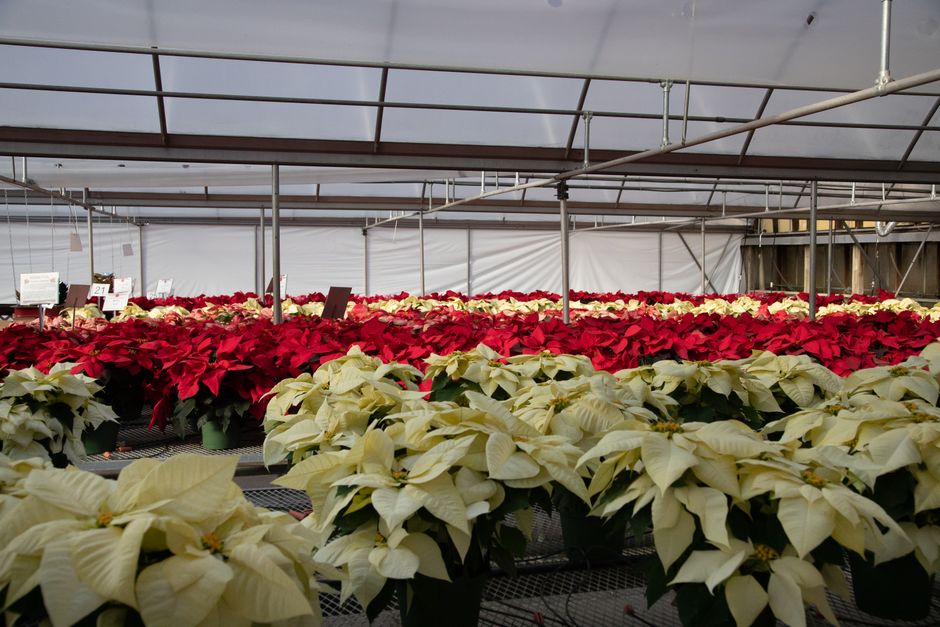
| Poinsettia | Not a cut flower, so needs plant-style care | Cold drafts and overwatering |
If you are unsure which method suits your arrangement, think about display time. A dinner-table bouquet for one night can be treated differently from a reception display meant to last all week. That distinction saves a lot of guesswork.
For cut flower arrangements, the main method is always the same: clean vase, fresh cut, cool room, regular water checks. For potted festive plants such as poinsettias, the approach changes slightly because roots, not stems, are doing the work. Different job, different rules.
Case Study or Real-World Example
Picture a typical December delivery in a London home. The flowers arrive late afternoon on a cold, grey day. The hallway is chilly, the living room is warm from the radiator, and the kitchen smells faintly of roast potatoes because somebody got ahead of themselves. The bouquet looks lovely - festive reds, white blooms, plenty of winter foliage - but it is sitting in wrapping paper and a little cramped from the journey.
The person receiving it does a few things right. They unwrap it within a short time, trim the stems, remove lower leaves, and place it in a clean vase with fresh water. Instead of putting it beside the radiator for display, they choose a cooler sideboard in the dining room. They check water each morning with their tea, which is a nice little ritual, honestly. By the end of the week, the arrangement still looks presentable, with several blooms holding up far better than expected.
Now compare that with the common alternative. Same flowers. Same delivery. But this time they stay wrapped for hours, get placed above a heater, and are forgotten until the water level is almost gone. By day three, the petals have softened and the arrangement looks tired. Nothing dramatic happened. Just a series of small misses.
That is the real lesson. Winter flower care is less about effort and more about attention. A few quiet habits change the result completely.
Practical Checklist
Use this checklist when your Christmas flowers arrive, or when you want to refresh an existing arrangement.
- Unwrap the flowers soon after delivery.
- Inspect stems, petals, and foliage for any damage.
- Wash the vase thoroughly before use.
- Trim 1-2 cm off each stem with a clean blade or scissors.
- Remove leaves below the waterline.
- Add fresh water at the right temperature for the flowers.
- Use flower food if supplied and follow the instructions.
- Place the arrangement away from radiators, fires, and direct sun.
- Keep it clear of ripening fruit and busy kitchen steam.
- Top up water every day.
- Change cloudy water promptly.
- Re-cut stems every few days if needed.
- Remove faded flowers before they affect the rest.
- Check the arrangement after guests, cooking, or temperature changes.
Ticking those off takes only a few minutes, but it often makes the difference between flowers that survive and flowers that genuinely shine.
Get a free quote today and see how much you can save.
Conclusion
Christmas flowers should feel joyful, not high-maintenance. The good news is that winter care does not need to be complicated. Keep the arrangement clean, cool, and hydrated. Watch the room conditions. Trim stems, change water, and remove tired blooms before they bring the rest down with them. That is the core of Essential care for Christmas flowers through winter 2026, and it works because it respects how flowers actually behave indoors during the cold season.
If you are buying for your own home, for a gift, or for a workplace, the same principle applies: a little early attention creates a much better finish. And that is especially welcome in winter, when everything already seems to need a bit more effort than it should.
Take it step by step, trust the basics, and enjoy the flowers while they are at their best. Small care, big difference - that is the lovely part.
Frequently Asked Questions
How long should Christmas flowers last indoors in winter?
That depends on the flower type, the room temperature, and how well they are cared for. A well-kept arrangement often lasts noticeably longer than one left near heat or in dirty water. Regular top-ups and clean conditions help the most.
Should I put Christmas flowers in warm water or cold water?
For most cut flower arrangements, fresh cool water or room-temperature water is the safest choice. Very hot or very cold water can stress flowers, especially after delivery in winter. If the bouquet came with specific instructions, follow those first.
Why do Christmas flowers droop so quickly near radiators?
Radiators dry out petals and leaves fast. Warm air also increases water loss from the stems and vase. It is one of the quickest ways to shorten vase life, even if the flowers looked perfect earlier in the day.
Do I need to recut the stems every day?
No, not usually. Every two to three days is often enough for most bouquets, especially if the water is changed at the same time. If the stems look blocked or the flowers stop drinking, trimming again can help.
Can I keep Christmas flowers on a windowsill?
Only if the sill is stable and not exposed to cold drafts or direct heat from above. A chilly window at night can be just as harmful as a radiator during the day. A cool, sheltered table is usually better.
What is the best place in the house for festive flowers?
A cool room with steady temperature and indirect light is ideal. Dining rooms, hallways, or sideboards away from heaters often work well. The best place is not always the prettiest one, which is mildly annoying, but true.
Should I remove the wrapping straight away?
Yes, usually. Flowers need air, space, and access to water. Leaving them wrapped for too long can trap moisture, bend stems, and slow recovery after delivery.
What should I do if the water goes cloudy?
Change it as soon as you can. Wash the vase, rinse the stems if needed, and remove any leaves that are sitting in the water. Cloudy water is often a sign that bacteria is building up.
Are poinsettias cared for the same way as cut Christmas flowers?
No. Poinsettias are potted plants, so they need different treatment from cut arrangements. They prefer steady conditions, careful watering, and protection from cold drafts. Do not treat them like a vase bouquet.
How can I make a Christmas bouquet last longer over the New Year?
Keep it cool, clean the vase properly, change the water regularly, and remove any fading stems early. Avoid direct heat and crowded display spots. Those are the habits that tend to make the biggest difference.
Is flower food really necessary in winter?
If it is provided, yes, it is usually worth using. Flower food supports hydration and helps slow bacterial growth. It is not a miracle fix, but it does help when used correctly.
What if I am buying flowers for an office or business space?
Choose a stable location, make sure someone is responsible for water checks, and review any supplier terms in advance. In a busy office, flowers often fail because nobody thinks they are "their job". A simple rota fixes that quickly.