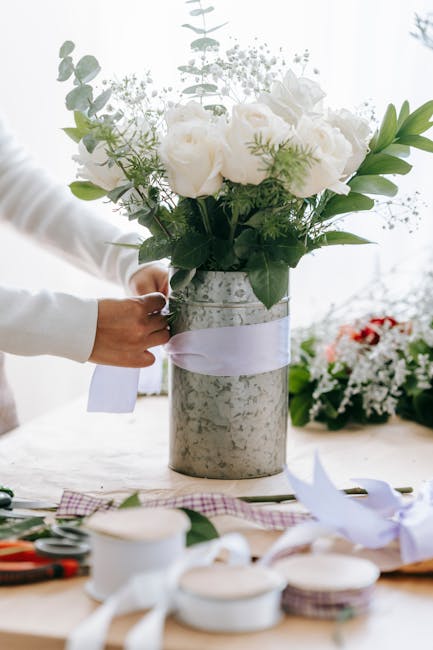
DIY vs Pro: When to Hire a Florist for Your Wedding
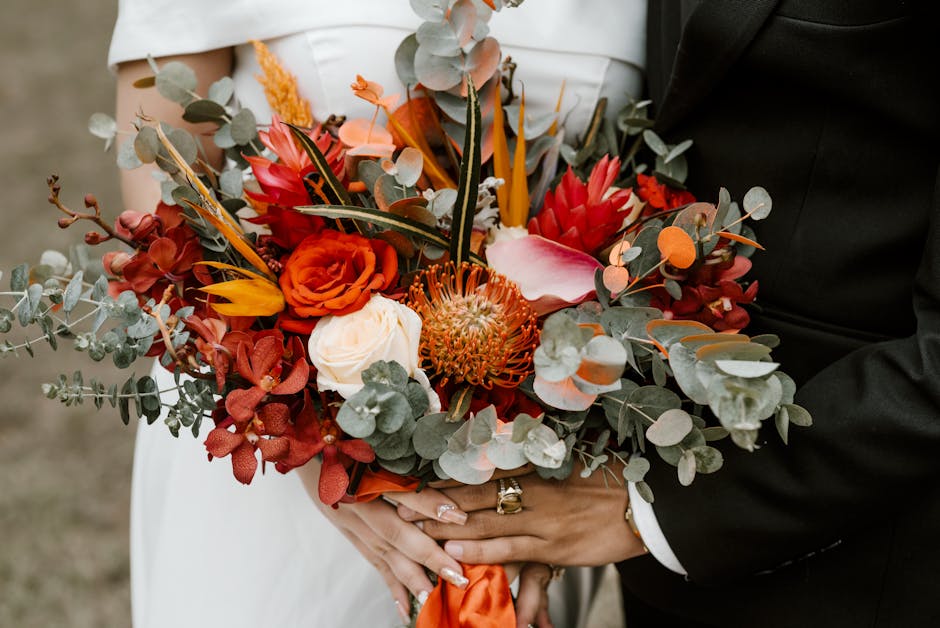
Planning wedding flowers looks romantic from the outside. Then you start pricing stems, checking delivery windows, wondering whether peonies will behave in August, and suddenly the whole thing feels a bit less dreamy. That is exactly where the DIY vs Pro: When to Hire a Florist for Your Wedding question becomes real. Do you make the arrangements yourself to save money and keep control? Or do you bring in a professional florist and hand over the stress before it starts to spill into the rest of the day?
There is no universal answer, truth be told. The right choice depends on your budget, your venue, your design ambitions, your time, and how comfortable you are dealing with fragile materials at speed. In this guide, we will walk through the trade-offs in plain English so you can make a decision that fits your wedding, not someone else's Pinterest board. If you are still in the early planning stage, you may also want to look at the broader services and support available through Flowers Delivery UK, plus practical information on delivery options and flower care guidance for keeping blooms looking fresh.
One quick note before we dive in: wedding flowers are one of those areas where small decisions can have big visual impact. A bouquet that droops by midday, or buttonholes that arrive late, can change the feel of the whole event. So yes, it is worth thinking carefully. Not obsessing. Just thinking carefully.
Table of Contents
- Why DIY vs Pro Matters
- How the DIY and Professional Options Work
- Key Benefits and Practical Advantages
- Who This Is For and When It Makes Sense
- Step-by-Step Guidance
- Expert Tips for Better Results
- Common Mistakes to Avoid
- Tools, Resources and Recommendations
- Law, Compliance, Standards, or Best Practice
- Options, Methods, or Comparison Table
- Case Study or Real-World Example
- Practical Checklist
- Conclusion
- Frequently Asked Questions
Why DIY vs Pro: When to Hire a Florist for Your Wedding Matters
Wedding flowers are not just decoration. They shape the mood of the ceremony, set the tone in photographs, and pull the whole colour story together. A good floral plan can make even a modest venue feel thoughtful and complete. A rushed one can make a beautifully planned day feel slightly unfinished. That sounds dramatic, but anyone who has watched a bridal bouquet arrive in the wrong shade of white knows the feeling.
This decision matters because flowers sit at the crossroads of creativity and logistics. On one side, DIY gives you freedom, budget control, and the satisfaction of making something with your own hands. On the other, a professional florist brings design experience, supply chain knowledge, and the kind of calm that only comes from having done this many, many times.
There is also the practical reality of time. Wedding mornings move quickly. Someone has to collect blooms, trim stems, fill buckets, condition flowers, transport arrangements, pin buttonholes, and keep everything cool and upright. If your DIY plan depends on a few friends with tea, bobby pins, and good intentions, that can work. But it can also unravel fast. To be fair, weddings have enough moving parts already.
For some couples, hiring a florist is less about luxury and more about protecting the rest of the day. For others, DIY is a meaningful choice that adds personality and saves money where it counts. The smartest decision is the one that matches your actual capacity, not your ideal version of yourselves on the week before the wedding.
How DIY and Professional Wedding Flowers Work
Understanding the process makes the comparison much easier. A DIY flower plan usually starts with choosing your flowers, buying them from a wholesaler, market, supermarket, or online supplier, then conditioning and arranging everything yourself. Depending on the scale, this may involve bouquets, buttonholes, ceremony pieces, centrepieces, and table runners. It sounds manageable until you realise flowers do not wait politely while you search for floral tape.
A professional florist, by contrast, typically handles the design consultation, floral sourcing, conditioning, arranging, delivery, and often setup. Some florists also provide breakdown after the event. The level of service varies, of course, but the main benefit is that you are buying experience as much as product. You are paying for someone to anticipate problems before they happen.
In practice, the process usually breaks down into a few stages:
- Planning: You define style, season, colours, budget, and priority items.
- Sourcing: Flowers are selected based on availability, durability, and seasonality.
- Preparation: Stems are conditioned, foliage is trimmed, and mechanics are prepared.
- Assembly: Bouquets and arrangements are made, often close to the event date.
- Transport and setup: Flowers are moved carefully and positioned on site.
That last step is where many DIY plans get unexpectedly difficult. A bouquet may look great on a kitchen table at 8pm. At 10am in a warm car boot with three shopping bags and a veil on top? Different story.
If you do hire a florist, it helps to understand the commercial details too. Check payment terms carefully on the florist or supplier website, including payment information and the relevant terms and conditions. Clear expectations make for fewer surprises later. Always a good thing.
Key Benefits and Practical Advantages
Both options can work beautifully, but they shine in different ways. Here is what each side tends to offer in real life.
| Aspect | DIY Flowers | Professional Florist |
|---|---|---|
| Budget control | Usually lower upfront cost, though waste and tools can add up | Higher upfront spend, but more predictable pricing and less waste |
| Creative control | Very high if you enjoy hands-on planning | High too, but shaped through a designer's interpretation |
| Time pressure | Significant, especially in the 48 hours before the wedding | Much lower for the couple |
| Consistency | Can vary if your team is inexperienced | Typically stronger and more reliable |
| Venue impact | Best for smaller, simpler setups | Better for larger or more detailed installations |
DIY benefits are straightforward. You may spend less, you can personalise everything, and if you genuinely enjoy making arrangements, the process can feel meaningful rather than stressful. A lot of couples like the idea of gathering flowers the evening before, with music on, making a little event of it. It can be lovely. Really lovely.
Professional floristry benefits are often less visible at first glance. A florist understands bloom durability, colour balance, seasonal substitutions, stem support, transport, and how to build arrangements that still look good after being moved three times. That hidden expertise is often what makes the final result look polished rather than improvised.
There is also emotional benefit. Hiring a pro can free you to enjoy the morning. No one should be wiring roses to a hoop while trying to answer messages from a registrar, a venue coordinator, and a best man asking where the cufflinks are. Let's face it, that is not the vibe anyone wants.
If sustainability matters to you, it can be worth asking about sourcing and waste reduction. Some couples prefer seasonal British flowers, reusable structures, or designs that can be repurposed after the ceremony. You can also learn more about a business's wider approach through its sustainability information and about us page if you want a sense of values and working style.
Who This Is For and When It Makes Sense
DIY wedding flowers make sense if you are planning a smaller event, have a clear and simple floral vision, and genuinely have time to do the work well. They are especially suitable for couples who like hands-on projects and are happy to accept slight natural variation. If your centrepieces are meant to feel relaxed, seasonal, and a little imperfect, DIY can suit the brief beautifully.
Hiring a florist makes more sense if your wedding has any of the following:
- A large guest count with multiple tables
- A ceremony and reception in different locations
- Complex floral installations, arches, or hanging features
- A strong style direction that needs expert execution
- Limited time in the days before the wedding
- Little to no experience with flower conditioning or arrangement
There is also a middle ground, and honestly, many couples land there. You might DIY the simpler items like bud vases or confetti cones, while a florist handles the bouquet, ceremony flowers, and key table pieces. That hybrid approach often offers the best balance of budget control and peace of mind. You do not need to make every decision binary. Life is not that neat.
Another useful way to think about it: if the flowers are central to the design concept, hire a professional. If flowers are supporting the design and you are mainly after something pretty and seasonal, DIY may be enough. That one question alone rules out a lot of stress.
Step-by-Step Guidance
Here is a practical way to decide whether you should DIY or hire a florist, without getting lost in flower jargon or endless mood boards.
1. Define the floral priority level
Ask yourself what role flowers play in your wedding. Are they a main design feature, or just a finishing touch? If they need to photograph well from every angle and tie in with the venue styling, professional support becomes more valuable.
2. Be honest about your time and team
A few enthusiastic friends are helpful. A full production team is better. If the people offering to help are also responsible for hair, transport, childcare, or the wedding breakfast music playlist, you may not have as much help as you think. Been there, seen that.
3. Check flower seasonality and availability
Some flowers are easier to source and keep looking fresh than others. If your dream design depends on out-of-season blooms, DIY becomes much riskier. A florist can usually suggest sensible substitutions that still fit the look.
4. Make a detailed item list
Do not just count bouquets. Include buttonholes, corsages, table arrangements, entrance pieces, cake flowers, aisle decor, and any extra stems for styling. Missing even one category can derail the plan. Wedding florals have a way of multiplying when nobody is looking.
5. Compare the full cost, not just the flowers
DIY is not just bloom cost. You may also need tools, containers, floral foam alternatives, ribbons, transport boxes, buckets, snips, and backup flowers. A florist's quote includes labour, design, and logistics. Comparing only stem prices gives a distorted picture.
6. Decide who will do what on the day
If you go DIY, assign actual roles. Who picks up flowers? Who trims stems? Who assembles bouquets? Who checks water levels? Vague help is not enough. The best DIY plans are organised like a tiny production schedule.
7. Build in a backup plan
Flowers can arrive imperfect, weather can be warm, and transport can be awkward. Have extra stems, extra water, and a contingency for one arrangement looking a bit off. A professional florist will usually build this thinking into the plan automatically.
Expert Tips for Better Results
If you want the flowers to look more polished, regardless of whether you DIY or hire a florist, these are the details that matter most.
- Choose sturdy flowers for important moments. Roses, carnations, alstroemeria, chrysanthemums, hydrangea, and some seasonal British blooms can be more forgiving than delicate varieties.
- Keep the palette focused. Three to five colours usually look more cohesive than a scattered rainbow effect.
- Use foliage with intention. Greenery can make arrangements feel fuller, but too much can look heavy or messy.
- Prioritise the bouquet and ceremony area first. These are the spaces most likely to appear in photos.
- Test one arrangement before committing. A small trial can reveal colour clashes or proportion issues early.
- Condition flowers properly. Fresh water, clean buckets, and a cool room can make a huge difference.
A small but useful expert habit: always look at the flowers in the same kind of light they will appear in on the day. Morning sunlight, low winter daylight, and candlelit evening receptions all flatter different textures. A bouquet that looks soft and romantic in a kitchen may appear slightly lost in a grand, bright venue. Tiny detail, big effect.
If you are arranging something at home, keep your workflow simple. Strip leaves from stems below the waterline, work with clean tools, and assemble in batches. No need to make it a craft marathon.
For aftercare and presentation, practical guidance from a florist or a flower care resource can help you keep arrangements fresh through the day. The flower care advice on the website is a useful place to start if you are handling flowers yourself.
Common Mistakes to Avoid
Most wedding flower problems are not caused by bad taste. They are caused by timing, overconfidence, or underestimating the amount of work involved. A few of the most common mistakes are surprisingly avoidable.
- Buying too many different flowers. The design gets busy and harder to assemble.
- Ignoring weather conditions. Heat, wind, and direct sun can damage delicate blooms quickly.
- Forgetting transport logistics. A beautiful arrangement can be ruined by an unstable car journey.
- Leaving assembly until the last minute. Flowers need breathing room. So do people.
- Underestimating labour. DIY takes hands-on work, not just enthusiasm.
- Not asking for venue rules. Some venues have restrictions on candles, hanging installations, or access times.
One particularly common issue is designing for the fantasy version of the day rather than the real one. If your timeline is tight, your venue setup slot is short, and your bridal prep space is a small hotel room with nowhere to lay out 12 arrangements, DIY may start looking a bit less charming. That is not failure. That is just reality doing its thing.
For professional work, a common mistake is assuming all florists provide the same level of service. They do not. Some are design-only. Some handle delivery and install. Some can offer broader event support. If you are comparing providers, look carefully at service descriptions, and if needed use a direct contact option to ask what is included.
Tools, Resources and Recommendations
If you are leaning towards DIY, a realistic toolkit matters more than people think. You do not need a van full of equipment, but you do need the basics in place.
- Sharp floral snips or scissors
- Clean buckets or containers for conditioning stems
- Ribbon, tape, and twine for finishing touches
- Water spray bottle for light misting
- Flower food, if appropriate for the blooms you use
- Paper towels and clean cloths for quick tidy-ups
- Transport boxes or trays to keep items stable
It is also wise to read up on the supplier's delivery information before ordering. Even a beautiful set of flowers can become stressful if you do not know when they will arrive or how they should be handled on receipt. The pages on flower delivery and delivery arrangements can help you understand the practical side of receiving flowers in good condition.
For couples who would rather have things handled in a more structured way, looking into the supplier's guarantees can be reassuring. It is always sensible to know what support exists if something arrives damaged or not as expected.
And if you are planning flowers for a business function, venue, or hospitality setting alongside the wedding, you might even find the corporate accounts page useful for understanding how larger recurring floral orders are managed. Not every wedding is a one-off event in the usual sense, after all.
Law, Compliance, Standards, or Best Practice
For wedding flowers, the main compliance considerations are practical rather than heavily regulated. You are usually dealing with venue rules, supplier terms, consumer rights, payment clarity, and safe handling of products and equipment. That said, best practice still matters.
If you hire a florist, ask for a clear written summary of what is included. That should cover timings, setup responsibilities, delivery expectations, and any substitutions policy. Terms vary between businesses, so it is worth reading the relevant terms and conditions and checking how refunds or replacements are handled through the returns and refund page where applicable.
For DIY, safety and care standards are mostly common-sense but still important. Keep flowers in clean water, use sharp tools carefully, and store arrangements away from heat sources. If your venue has access restrictions, fire safety rules, or installation limits, respect them. A lovely display is not worth a last-minute argument with the venue manager. Nobody wants that.
Ethical sourcing is another area many couples now consider. If that matters to you, ask whether flowers are seasonally sourced, how waste is handled, and whether the business publishes a sustainability approach. You can also review wider company policies such as the privacy policy and accessibility statement if you want to understand how the business treats customer information and access needs. It may seem unrelated to flowers, but trust is built in the details.
Options, Methods, or Comparison Table
Here is a clearer side-by-side view to help you decide what suits your wedding best. Not every couple needs a full-service florist, and not every DIY wedding needs to be a compromise.
| Option | Best For | Watch Outs | Overall Fit |
|---|---|---|---|
| Full DIY | Smaller weddings, simple designs, hands-on couples | Time pressure, transport, freshness, consistency | Best if budget is tight and expectations are realistic |
| Partial DIY | Couples who want to save on some items but not all | Coordination between self-made and professional pieces | Often the most balanced option |
| Full florist service | Larger weddings, premium styling, busy schedules | Higher spend, selecting the right supplier matters | Best for reliability and visual consistency |
| Wholesale plus florist guidance | Couples with some confidence but not full expertise | Still requires organisation and assembly time | Good middle ground if you want support without a full package |
If you are unsure, ask yourself one blunt question: would I still be happy with this plan if the week of the wedding gets chaotic? If the answer is no, that is probably your sign to hire a florist or simplify the design. Not fancy advice, just honest advice.
Case Study or Real-World Example
Here is a realistic example based on a common wedding planning scenario. A couple in London wanted a relaxed spring wedding with soft white and green flowers, a simple bouquet, small buttonholes, and a few centrepieces for long tables. At first they planned to DIY everything because they liked the idea of saving money and keeping the look natural.
Once they mapped out the full workload, the plan changed. They realised the wedding breakfast was on the opposite side of the city from the ceremony, the setup window was short, and neither of them wanted to spend the morning arranging flowers in a hotel room. They kept the DIY element for smaller table arrangements and confetti, but hired a florist for the bouquet, buttonholes, and statement pieces. The result was calmer, more consistent, and much easier to manage.
That kind of hybrid solution is common, and it makes sense. The couple still had personal involvement, but they protected the parts of the day where professional skill mattered most. There was no dramatic floral crisis, no frantic last-minute trimming, and no one had to become an emergency florist before the ceremony. A quiet win, really.
For some couples, the story goes the other way. They choose DIY, keep the arrangements small, use seasonal flowers, and ask a few reliable friends to help. That works too, especially when expectations are modest and the timeline is generous. The key is matching ambition to capacity. Simple as that.
Practical Checklist
Use this checklist before deciding whether to DIY or hire a florist. It cuts through the noise very quickly.
- Budget: Have I priced flowers, materials, transport, and backups?
- Time: Do I have enough time in the final 72 hours to do this properly?
- Venue: Are setup access, water, and storage easy enough for DIY?
- Design: Is my floral vision simple enough to execute well?
- Support: Do I have people who can actually help, not just cheer from the sidelines?
- Weather: Will the flowers cope with the season and venue conditions?
- Transport: Can the arrangements be moved safely?
- Risk tolerance: Am I comfortable troubleshooting on the day if something goes wrong?
- Supplier confidence: Have I checked delivery, payment, and policy details?
- Priority: Are flowers central to the wedding look, or just supportive?
If you answer "no" to several of these, that is not a bad thing. It simply means the florist route may be the calmer, smarter fit. And calm counts for a lot on a wedding day.
Conclusion
The decision between DIY and hiring a florist is really a decision about risk, time, and how you want the day to feel. DIY can be beautiful, personal, and cost-conscious, especially for smaller weddings with simple floral needs. Hiring a florist brings expertise, consistency, and breathing room, which becomes more valuable as the scale and complexity increase.
If your wedding flowers are a modest part of the day, DIY may give you exactly what you need. If they are central to the design, or if your schedule is already full enough to make your head spin a little, a florist will probably save you more than money. They may save your nerves, too.
There is no prize for doing everything yourself. There is only the wedding you actually want, and the way you want to remember it. Choose the option that lets you stand still for a moment, take in the room, and properly enjoy the flowers as they are. That's the bit that stays with you.
Get a free quote today and see how much you can save.
Frequently Asked Questions
Is it cheaper to DIY wedding flowers or hire a florist?
DIY is usually cheaper on paper, but not always by as much as people expect once you include tools, containers, transport, and waste. A florist costs more upfront, but the price is often more predictable and includes labour and expertise.
When should I definitely hire a florist for my wedding?
Hire a florist if your wedding has complex arrangements, multiple locations, limited setup time, or flowers that are central to the design. If the plan feels stressful before you have even started, that is usually a strong sign.
Can I do some wedding flowers myself and hire a florist for the rest?
Yes, and for many couples that is the best option. A common approach is to DIY smaller items like bud vases or confetti while a florist handles the bouquet, ceremony flowers, and statement pieces.
How far in advance should I book a wedding florist?
As early as you reasonably can, especially for popular dates. The exact timing varies, but florists often need lead time for consultation, design planning, and sourcing. If you are late in the process, ask anyway rather than assuming it is too late.
What flowers are easiest for DIY wedding arrangements?
Sturdier flowers such as roses, carnations, alstroemeria, and some seasonal blooms are usually easier to work with than very delicate varieties. Foliage can also help fill arrangements and make them look fuller.
How do I know if my wedding flowers will survive the day?
Think about season, transport, venue temperature, and how long the flowers will be out of water. A professional florist will plan for these factors. If you DIY, use fresh water, keep flowers cool, and avoid leaving them in direct sun or warm cars.
What should I ask a florist before booking?
Ask what is included, whether they handle delivery and setup, what happens if a flower is unavailable, how payment works, and what their cancellation or returns policy is. It is also sensible to check their contact details so you know how to reach them easily.
Do wedding florists handle delivery and setup?
Often yes, but not always in the same way. Some florists include full delivery and installation, while others provide design and collection only. Always confirm the exact service level before booking.
How can I keep DIY wedding flowers fresh?
Condition the stems properly, keep them in clean water, store them in a cool place, and transport them carefully. Good flower care makes a noticeable difference, which is why many couples refer back to flower care guidance before the big day.
Are there rules I should check with my wedding venue?
Yes. Venues may have rules about access times, installation methods, candles, hanging displays, or use of certain materials. Always check early so you do not end up redesigning things at the last minute.
What if my florist needs to substitute flowers?
Substitutions are normal in floristry, especially for seasonal or weather-sensitive blooms. A good florist should aim to keep the overall look and feel consistent, even if individual stems change. It is sensible to ask how substitutions are handled before you book.
Where can I find more information about customer policies and trust signals?
Look at pages such as the guarantees, returns and refund information, and the website's privacy policy. These pages help you understand how the business handles orders, customer data, and service expectations.